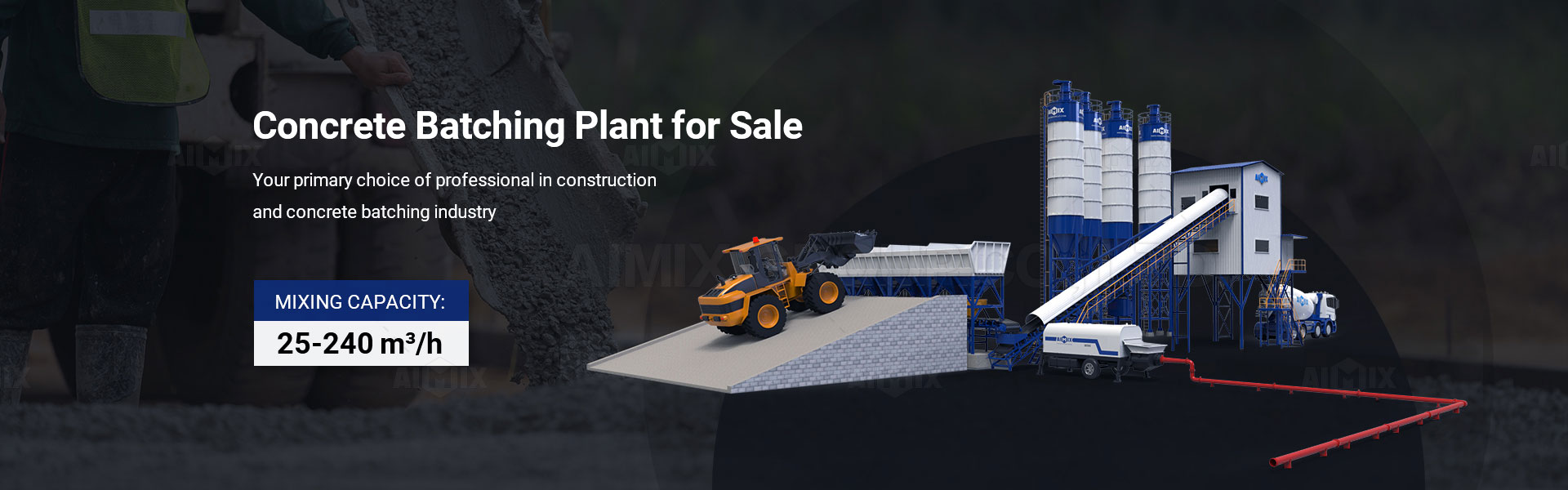
Investing in a ready mix concrete plant for sale requires a thorough understanding of market demand, as it directly impacts production planning, capacity selection, and long-term profitability. Construction markets across Asia, including regions like Singapore, Bangladesh, and Sri Lanka, are experiencing growth in infrastructure and real estate development. Understanding local demand trends allows investors to make strategic decisions when purchasing a plant, ensuring the best return on investment.
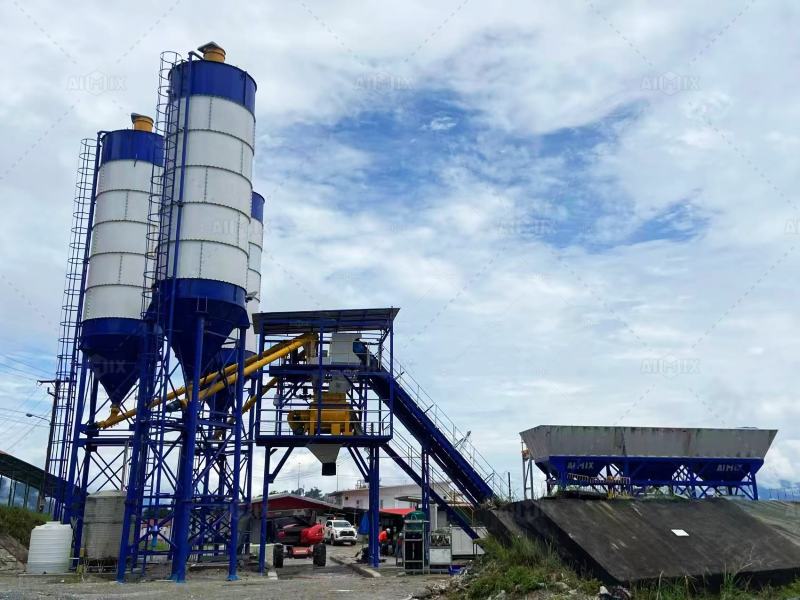
Understanding Market Demand in Construction
Market demand in the construction industry is driven by urbanization, government infrastructure projects, and private sector development. A high-demand region ensures continuous orders for concrete, making it financially viable to invest in a ready mix plant Singapore or other urban areas.
For example, Singapore has seen rapid urban development and increasing commercial construction. Investing in a ready mix plant in this region requires selecting machinery that can handle high-volume production efficiently. The equipment capacity, automation level, and mix design flexibility must align with the specific demands of commercial buildings, highways, and residential projects.
In contrast, countries like Bangladesh are experiencing a surge in road construction, bridges, and housing projects. A ready mix concrete plant in Bangladesh needs to consider local supply chains, material availability, and labor costs. Selecting a plant capable of producing various concrete grades ensures the investor can meet diverse project requirements while maintaining profitability.
Similarly, Sri Lanka’s infrastructure and housing market is gradually expanding. A ready mix plant in Sri Lanka must be strategically located near urban centers or industrial zones to minimize transportation costs and ensure timely delivery to clients. Understanding regional project types, from highway construction to residential apartments, allows for precise planning of plant capacity and operational workflow.
Aligning Plant Capacity with Market Demand
Market demand directly influences the required production capacity of a ready mix plant. Overestimating demand can lead to underutilized equipment and higher maintenance costs, while underestimating can result in missed revenue opportunities.
In high-demand areas like Singapore, investors often prefer medium- to large-capacity ready mix plants capable of producing hundreds of cubic meters of concrete per hour. Advanced automation in these plants ensures consistent quality, faster mixing, and reduced labor costs, making them suitable for commercial projects and infrastructure development.
In developing markets such as Bangladesh, flexible production capacity may be more important. Modular or semi-automated plants allow investors to scale production according to local demand fluctuations. A well-planned ready mix concrete plant in Bangladesh can adapt to varying orders from small-scale residential projects to government-funded roadworks.
For Sri Lanka, a moderate-capacity plant can serve both urban and suburban construction projects efficiently. The ability to quickly deliver fresh concrete to multiple construction sites is critical, emphasizing the need for plant layout planning, batch consistency, and logistical efficiency.
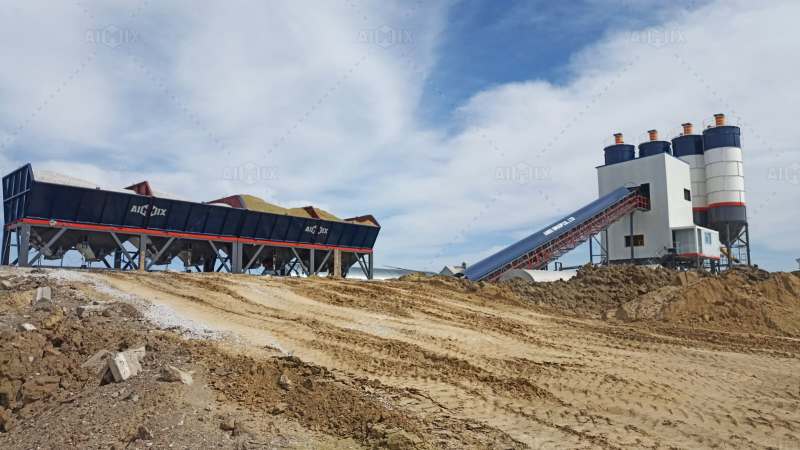
Market Demand and Product Diversification
High market demand also encourages product diversification. A ready mix plant Singapore may require specialized concrete mixes for commercial buildings, high-rise towers, and industrial flooring. Features such as multiple aggregate bins, admixture dosing systems, and high-capacity mixers enable the plant to produce customized concrete mixes for various applications.
In Bangladesh and Sri Lanka, local demand may favor standard concrete grades for infrastructure and residential construction. Investors must ensure that their ready mix concrete plant in Bangladesh or ready mix plant in Sri Lanka is equipped to produce these standard grades efficiently while maintaining quality standards. Flexibility in mix design ensures that the plant can capture more market segments, increasing overall profitability.
Strategic Location Planning
Market demand also affects where a plant should be located. Proximity to construction hubs reduces transportation costs, ensures timely delivery, and improves customer satisfaction. In Singapore, urban density and high-rise construction projects make central plant locations essential.
In Bangladesh, locating a ready mix concrete plant near road networks or industrial areas ensures efficient supply to multiple project sites. Similarly, in Sri Lanka, strategic placement near expanding urban centers and industrial zones minimizes delivery delays and enhances competitiveness in the local market.
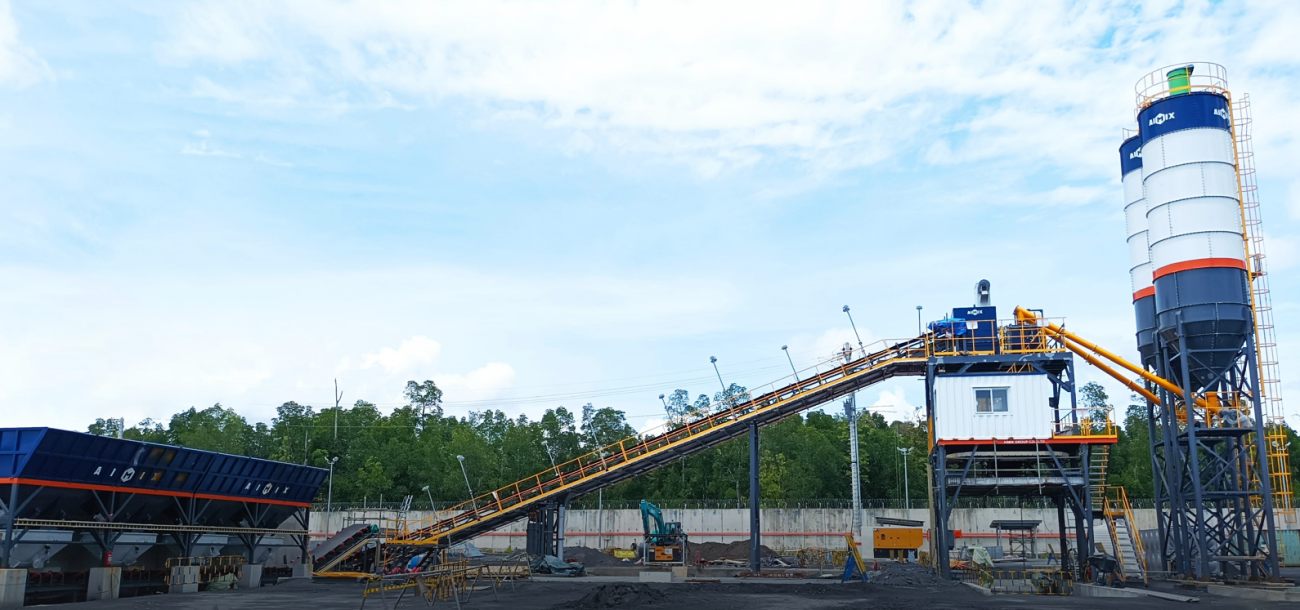
Investment Strategy Based on Demand Trends
Analyzing market demand trends is critical for determining the right investment strategy when purchasing a ready mix concrete plant for sale. Investors should consider:
-
Plant Capacity: Match production capacity with projected local demand to avoid underutilization or overloading.
-
Automation Level: High-demand areas benefit from automated systems that reduce labor costs and improve batch consistency.
-
Product Flexibility: Ensure the plant can produce multiple concrete grades to serve various project types.
-
Location and Logistics: Optimize plant placement to reduce transportation costs and delivery time.
-
Supplier and After-Sales Support: Partner with a reputable manufacturer for reliable service and spare parts, especially for high-demand operations.
By considering these factors, investors can maximize returns while meeting market expectations efficiently. A ready mix plant in Sri Lanka, ready mix concrete plant in Bangladesh, or ready mix plant Singapore that aligns with local demand ensures profitability and long-term sustainability.
Conclusion
Market demand is a critical factor shaping the investment strategy for a ready mix concrete plant for sale. Understanding regional construction trends, capacity requirements, product diversification needs, and strategic plant location helps investors make informed decisions.
For those targeting high-demand areas like Singapore, Bangladesh, and Sri Lanka, aligning plant capacity, technology, and logistics with market needs ensures a successful concrete batching plant business. By leveraging local demand insights, investors can optimize operations, increase profitability, and position their ready mix concrete plant as a reliable supplier in the growing construction market.