When disasters damage road networks, every hour counts. Floods, earthquakes, and typhoons can isolate communities and disrupt supply chains. In these situations, contractors and government agencies must rebuild roads quickly while maintaining long-term durability.
However, not every asphalt plant can meet these urgent demands. The ideal asphalt plant for disaster recovery road rebuilding must combine mobility, efficiency, and reliability. In this article, we will explore how to choose the right amp asphalt mixing plant solution based on real project needs, practical constraints, and proven industry experience.
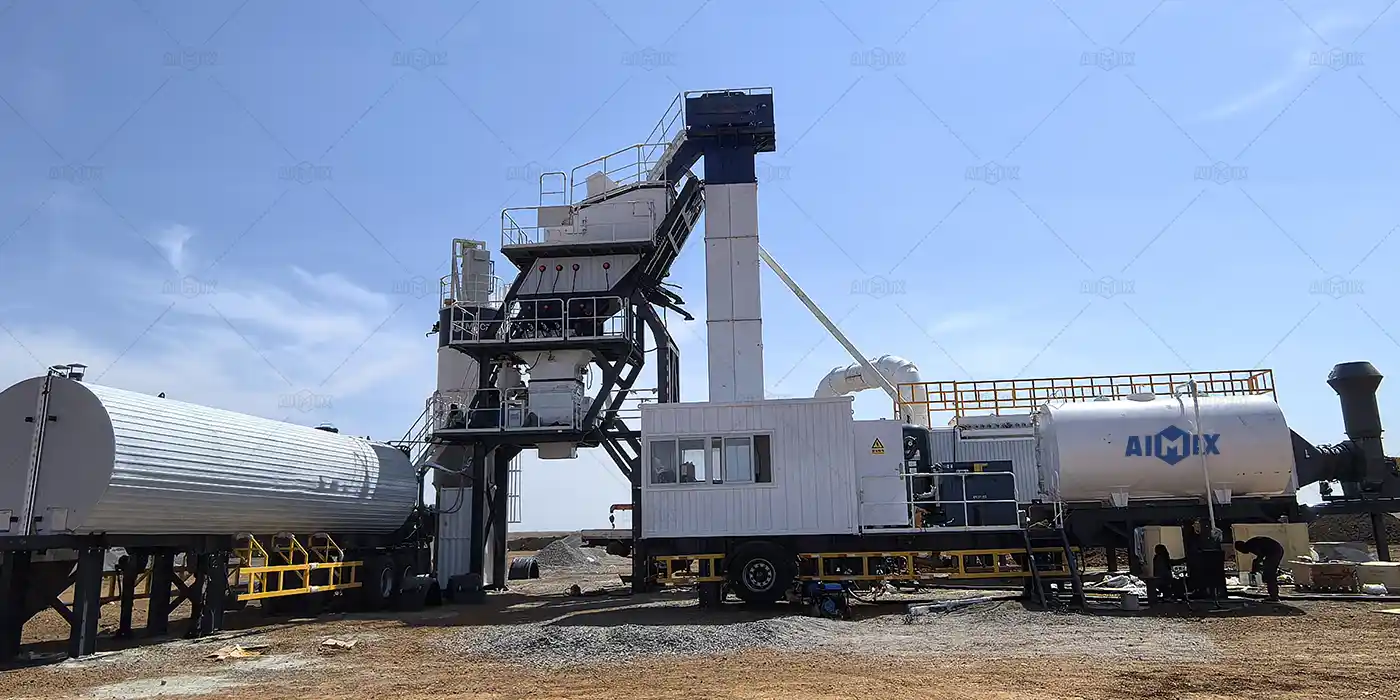
Why Asphalt Plants Play A Critical Role In Disaster Recovery
To begin with, road recovery projects require more than just speed. They demand consistent asphalt quality, stable production, and the ability to operate under difficult conditions.
After disasters, infrastructure is often damaged. Transportation becomes difficult. Power supply may be unstable. Therefore, contractors cannot rely on traditional fixed solutions alone.
Instead, asphalt plants must adapt to changing job sites, limited logistics, and urgent timelines. This is why choosing the right plant directly affects project success, cost control, and road lifespan.
Key Requirements For An Ideal Disaster Recovery Asphalt Plant
Now that we understand the importance, let’s break down the essential requirements that define an ideal solution.
Fast Deployment And Mobility
First of all, rapid installation is essential. Roads must reopen quickly to restore transportation and emergency access.
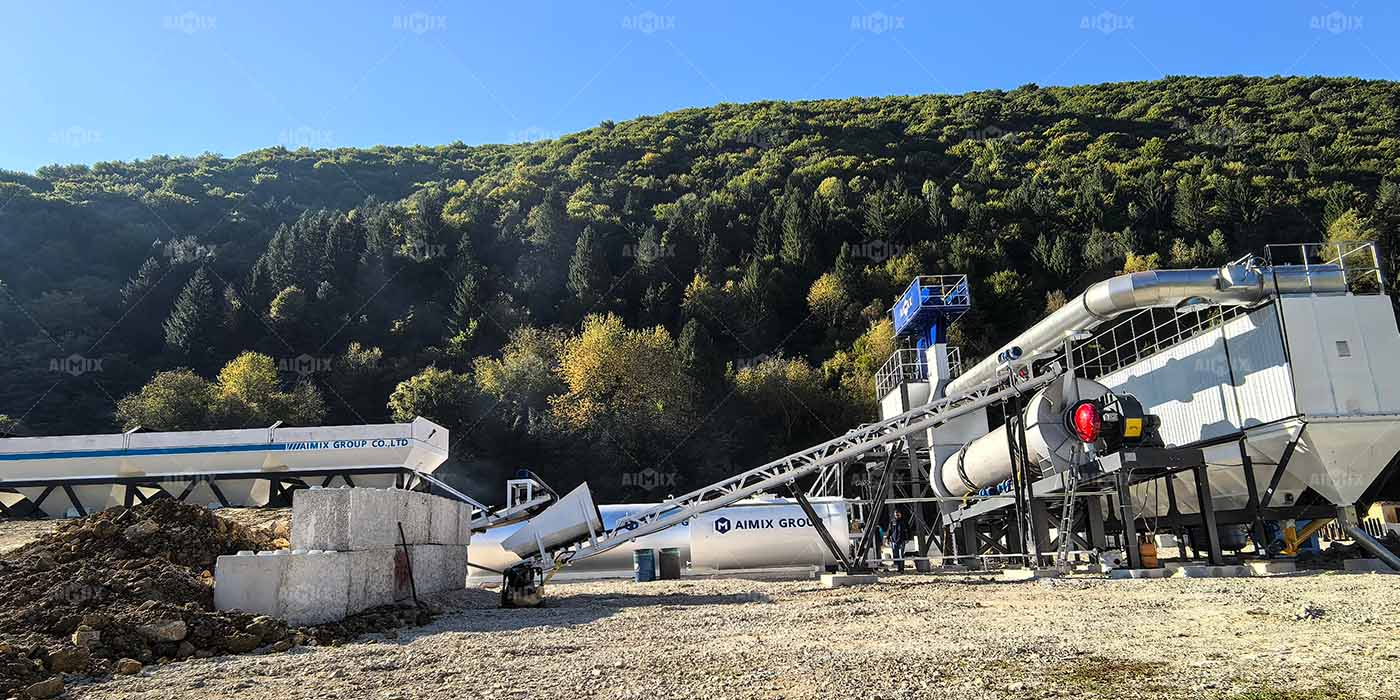
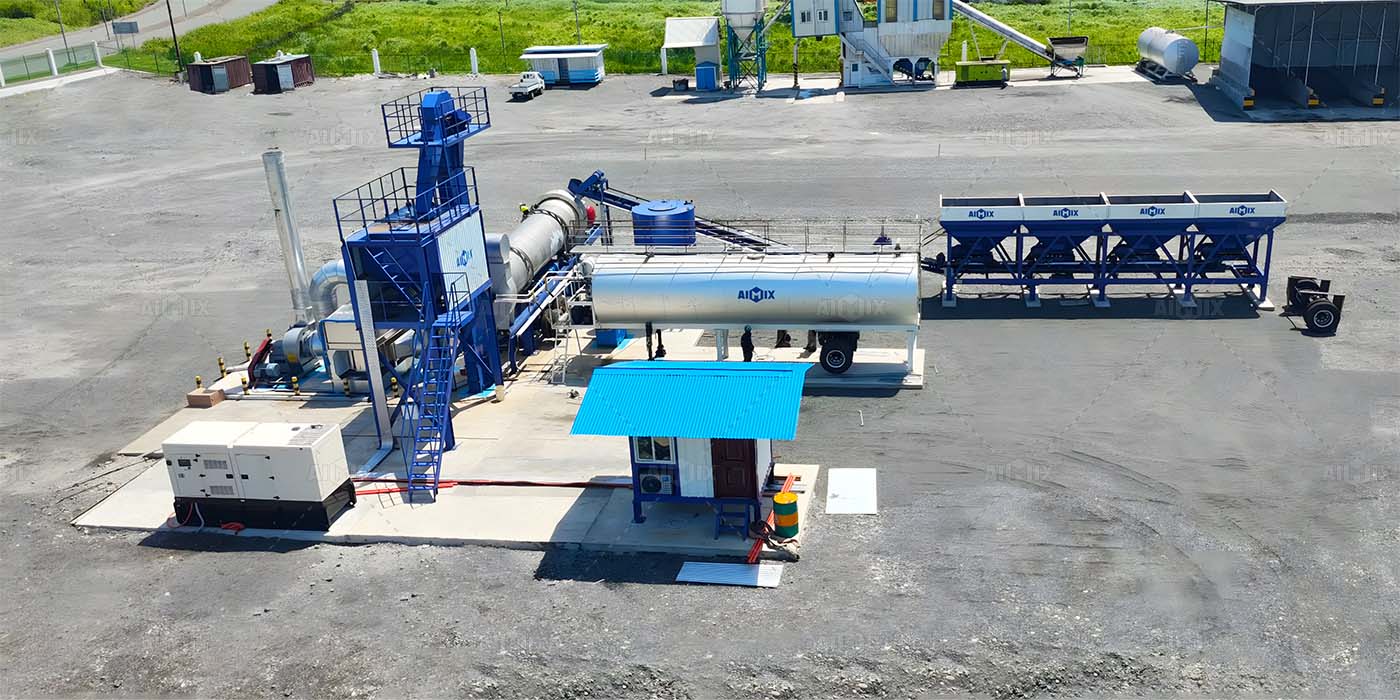
This is where a mobile asphalt plant china becomes highly valuable. Mobile plants feature modular or integrated designs, allowing quick setup and relocation. In fact, many modern systems can be installed within 24–48 hours, reducing project delays significantly.
Moreover, mobile plants can move between multiple damaged sites, making them ideal for scattered recovery projects.
Flexible Production Capacity
Next, capacity flexibility is critical. Disaster recovery projects vary widely in scale.
For example, rural road repairs may only need 60–80 TPH. On the other hand, highway reconstruction may require 120–160 TPH or more. According to industry data, modern asphalt plants can cover a wide range from 20 TPH to 400 TPH, making it easier to match different project demands. :contentReference[oaicite:0]{index=0}
Therefore, selecting the right capacity ensures efficiency without overinvestment.
Continuous Production Capability
In addition, continuous production is important for urgent projects. Equipment downtime can delay reopening roads.
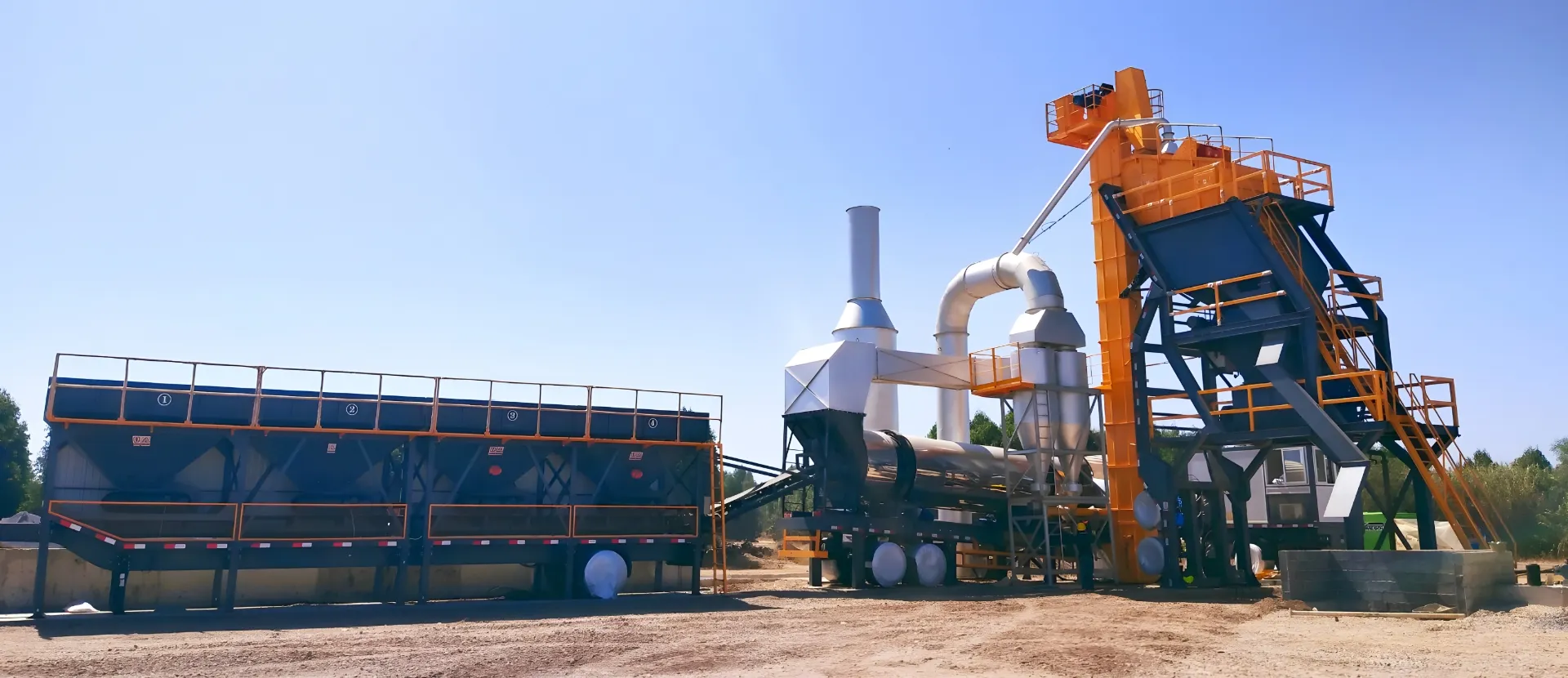
For this reason, many contractors choose an asphalt drum mixing plant. This type of plant uses a continuous mixing process, which allows uninterrupted asphalt production and faster output. It is especially suitable for large-scale or time-sensitive repairs.
In fact, drum mix plants typically offer capacities from 20 TPH to 160 TPH and are known for stable, cost-effective operation.
Fuel Flexibility And Energy Efficiency
At the same time, energy supply may be limited after disasters. Therefore, plants that support multiple fuel types—such as diesel, heavy oil, or gas—offer better adaptability.
Additionally, energy-efficient burners and optimized systems reduce fuel consumption. This helps contractors control costs during long working hours.
Ease Of Operation And Maintenance
Another important factor is usability. Skilled operators may not always be available in emergency situations.
Therefore, modern asphalt plants use PLC control systems and automated operations. These features simplify operation and reduce human error.
At the same time, easy maintenance design ensures quick troubleshooting and minimal downtime.
Choosing The Right Type Of Asphalt Plant
With these requirements in mind, the next step is selecting the most suitable plant type.
Mobile Asphalt Mixing Plants
Mobile plants are often the first choice for disaster recovery. They offer fast installation, easy relocation, and flexible operation.
For example, mobile batch plants provide high-quality asphalt with precise control. Meanwhile, mobile drum plants focus on speed and simplicity.
Because of these advantages, mobile plants are widely used in emergency road repairs and short-term projects. :contentReference[oaicite:3]{index=3}
Batch Asphalt Plants
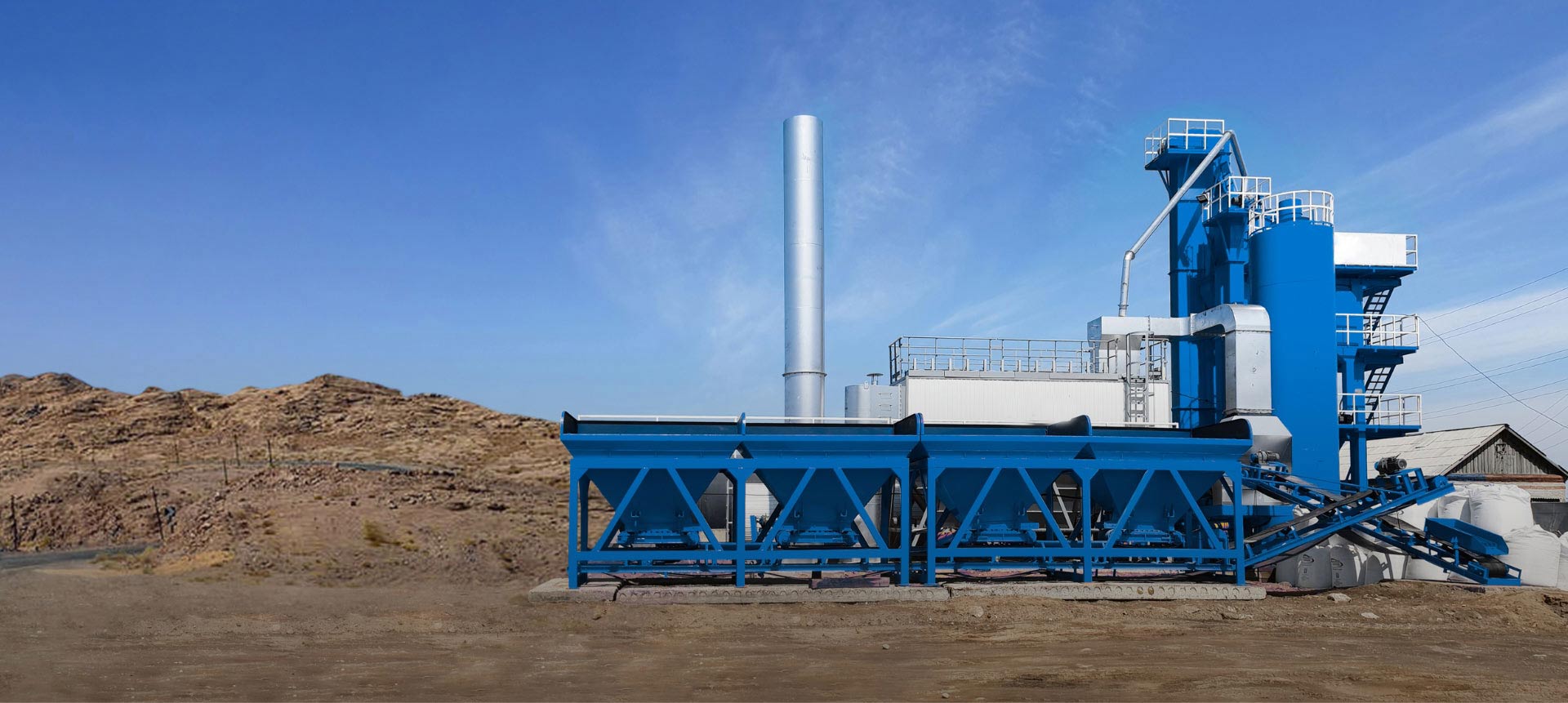
On the other hand, batch plants are ideal for projects requiring strict quality control.
They allow precise adjustment of asphalt mix ratios. This makes them suitable for highways, bridges, and urban roads where durability is critical.
Although installation takes longer, modular designs can still speed up deployment compared to traditional fixed plants.
Drum Mix Asphalt Plants
Meanwhile, drum mix plants provide continuous production with a simpler structure.
They are cost-effective and easy to maintain. Therefore, they are ideal for large-scale road rebuilding where speed is the priority.
However, they offer less flexibility in mix design compared to batch plants. Contractors should evaluate project requirements carefully before choosing.
How To Match Plant Capacity With Project Needs
After selecting the type, capacity planning becomes the next key step.
First, estimate daily asphalt demand. For example, if a project needs 1,200 tons per day and operates 10 hours, a 120 TPH plant is required.
Next, add a buffer of 10–20% to handle peak demand or unexpected delays. This ensures smooth progress under pressure.
Finally, consider project duration. For short-term emergency repairs, smaller mobile plants may provide better cost efficiency.
Practical Configurations For Different Scenarios
To make things clearer, let’s look at real-world configuration recommendations.
Rural Road Recovery Projects
For small villages or remote areas, a 60–80 TPH mobile drum plant works well. It offers fast setup and sufficient output for local repairs.
Urban Road Rehabilitation
For city roads, quality matters more. A 100–120 TPH mobile batch plant provides better control and consistent asphalt quality.
Highway Reconstruction
For large-scale highway rebuilding, a 120–160 TPH modular batch plant ensures high output and meets strict technical standards.
Common Challenges And Practical Solutions
Even with the right equipment, challenges may arise. However, proper planning can reduce risks.
Transportation Limitations
Damaged infrastructure can restrict equipment delivery. Therefore, modular and compact designs help overcome these obstacles.
Material Supply Instability
After disasters, aggregate and bitumen supply may be inconsistent. Contractors should prepare backup suppliers and temporary storage solutions.
Harsh Working Conditions
Extreme weather and unstable environments require durable equipment. Reliable dust collection and insulation systems improve performance and compliance.
Why Supplier Support Is Equally Important
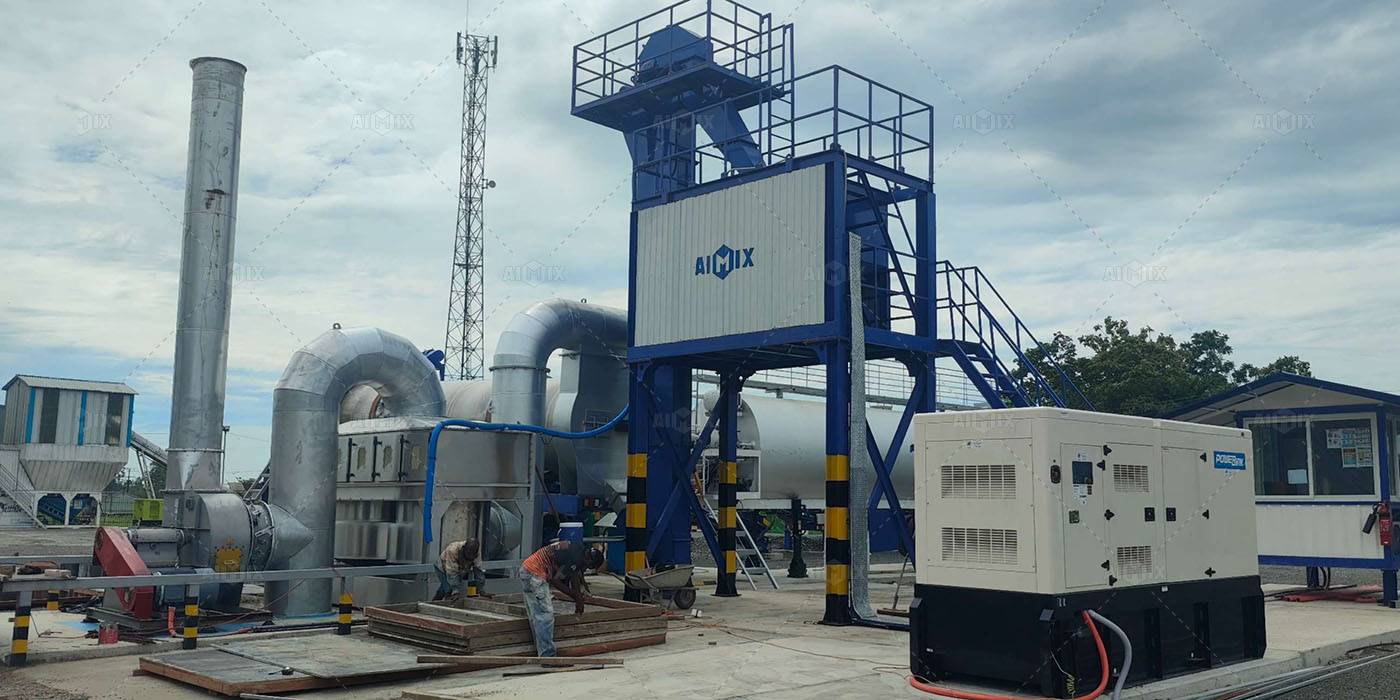
Beyond equipment, supplier support plays a crucial role. Choosing reliable asphalt mixing plant suppliers ensures access to technical guidance, spare parts, and after-sales service.
In emergency projects, fast response times can prevent costly delays. Therefore, working with experienced global suppliers provides an extra layer of security.
Additionally, a complete amp asphalt mixing plant solution often includes installation support, training, and customization, which further improves project efficiency.
Conclusion: Build Faster And Smarter After Disasters
In conclusion, the ideal asphalt plant for disaster recovery road rebuilding must be mobile, efficient, and adaptable. It should match project scale, support fast deployment, and ensure reliable production under challenging conditions.
By choosing the right type, capacity, and supplier, contractors can complete projects faster while delivering durable, high-quality roads.
If you are planning a disaster recovery project, now is the time to act. Contact us today to get a customized amp asphalt mixing plant solution tailored to your project needs, budget, and timeline. Let’s rebuild roads stronger, faster, and more efficiently.