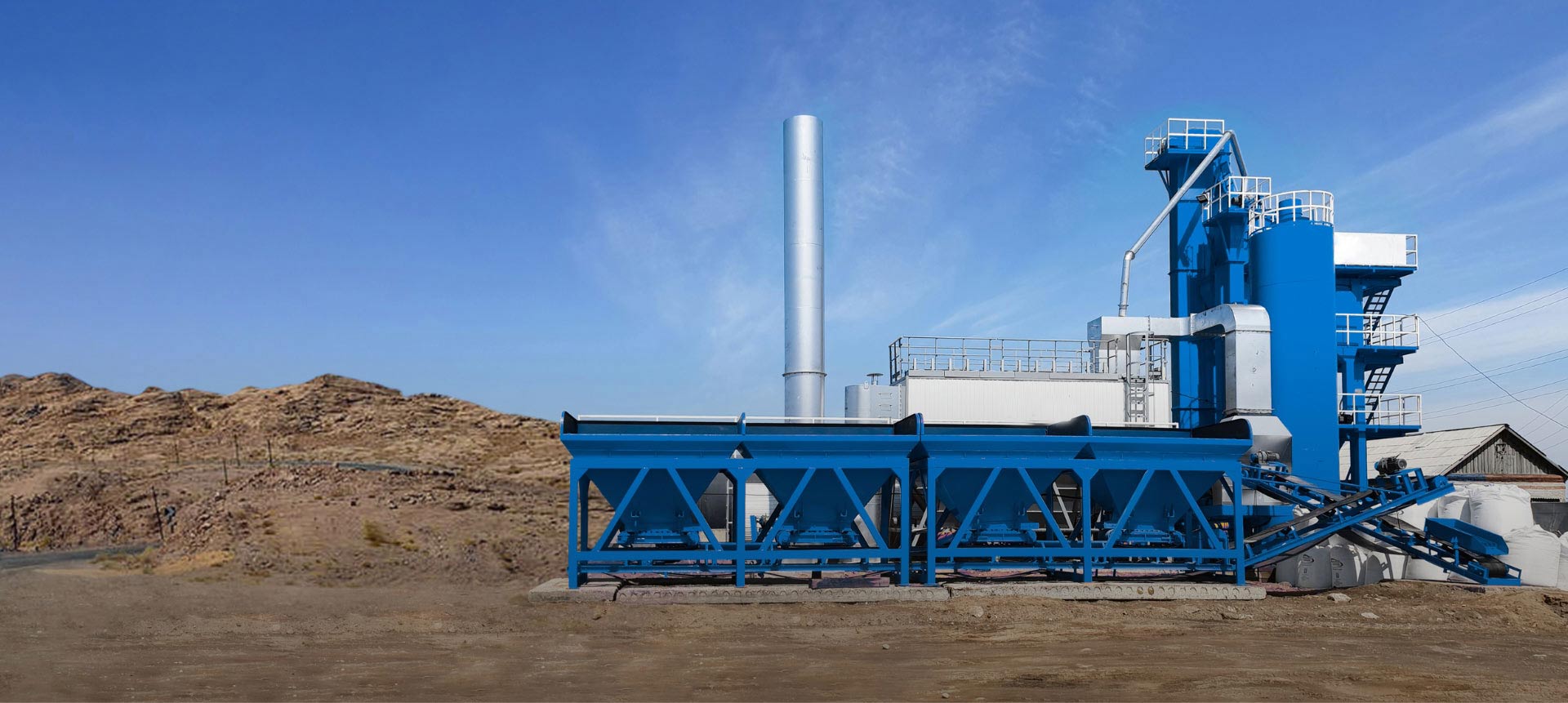
For contractors, road builders, and asphalt producers, investing in an asphalt plant is a major business decision. The goal is not only to produce asphalt but also to create long-term value and recover the investment through efficient operation. A suitable asphalt plant can help reduce production costs, improve project control, increase bidding competitiveness, and generate additional income opportunities.
However, asphalt plant return on investment (ROI) depends on much more than the initial purchase price. Many contractors focus only on equipment cost, but actual profitability is influenced by production capacity, fuel consumption, maintenance requirements, transportation expenses, asphalt quality, utilization rate, and supplier support.
Understanding these factors before purchasing helps customers avoid unsuitable investments. Whether you operate highway construction projects, municipal road works, airport projects, or commercial asphalt supply businesses, choosing the right asphalt production solution is essential for long-term success.
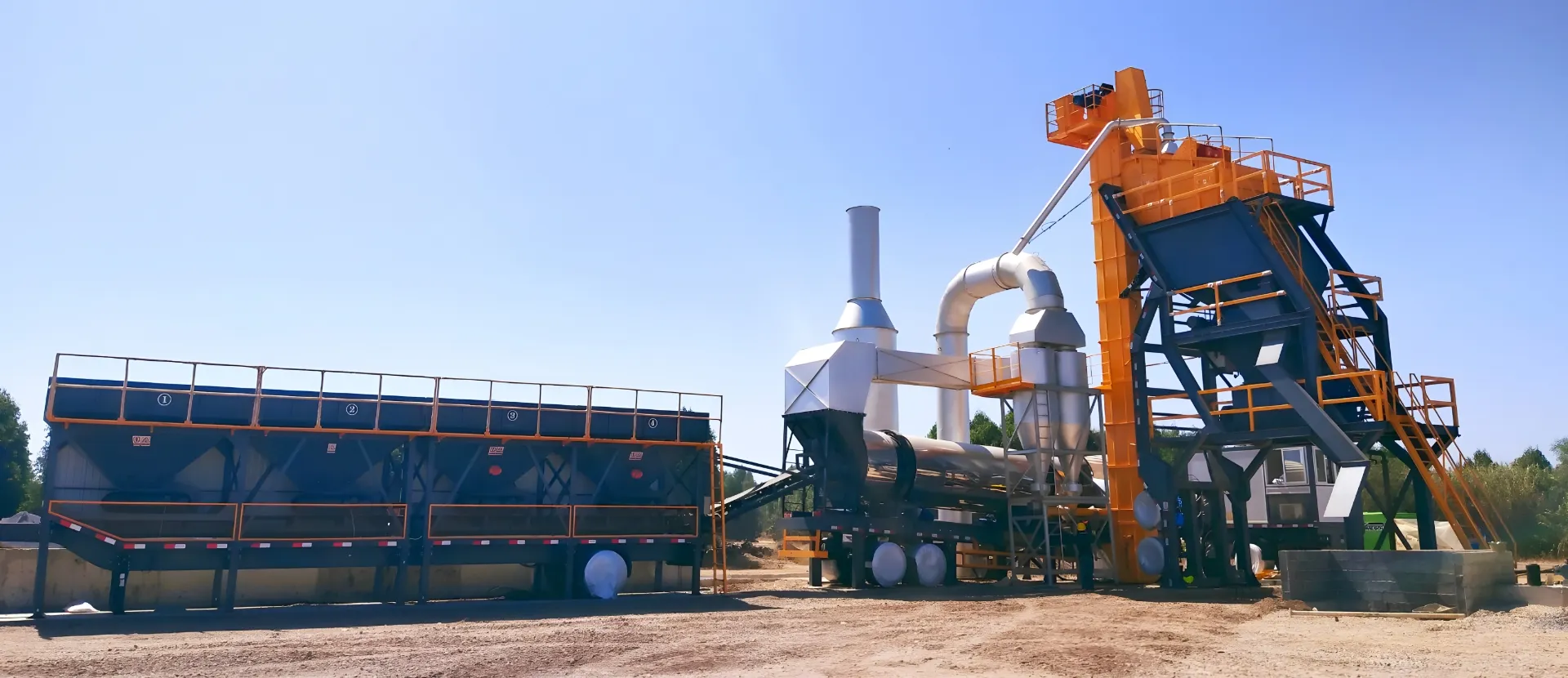
1. Asphalt Plant Capacity And Production Demand
The first factor affecting asphalt plant ROI is the relationship between plant capacity and actual project demand. A plant must match your production requirements. Otherwise, both undersized and oversized equipment can reduce profitability.
If a contractor chooses a plant with insufficient capacity, production delays may increase labor costs and affect project schedules. On the other hand, purchasing a very large plant without enough projects may result in low utilization and a longer investment recovery period.
For example, small municipal road contractors may achieve better returns with a 40-80 TPH asphalt plant. Meanwhile, highway contractors or commercial asphalt suppliers may require 100-200 TPH or higher production capacity.
| Project Application | Typical Asphalt Demand | Recommended Capacity Range |
|---|---|---|
| Village Roads And Small Road Repair Projects | Small To Medium Asphalt Production | 40-80 TPH |
| Urban Roads And Industrial Parks | Continuous Medium Production | 80-120 TPH |
| Highways, Airports And Large Infrastructure | Large Volume Asphalt Supply | 120-240+ TPH |
Therefore, contractors should calculate expected annual asphalt demand before selecting equipment. A properly matched capacity can improve plant utilization and accelerate ROI.
2. Initial Investment Cost And Equipment Configuration
Although the purchase price is an important consideration, the lowest-priced asphalt plant is not always the most economical choice. A low initial investment may create higher operating costs if the equipment consumes more fuel, requires frequent repairs, or cannot maintain stable production.
When evaluating asphalt concrete plant cost, customers should consider the complete investment value. This includes equipment configuration, installation requirements, transportation costs, operating expenses, and future maintenance.
For example, a modern asphalt mixing plant with efficient drying technology, accurate weighing systems, and reliable automation may require a higher initial investment. However, it can reduce production costs and improve output consistency over many years.
Therefore, ROI should be calculated based on the entire lifecycle of the plant instead of only the purchase quotation.
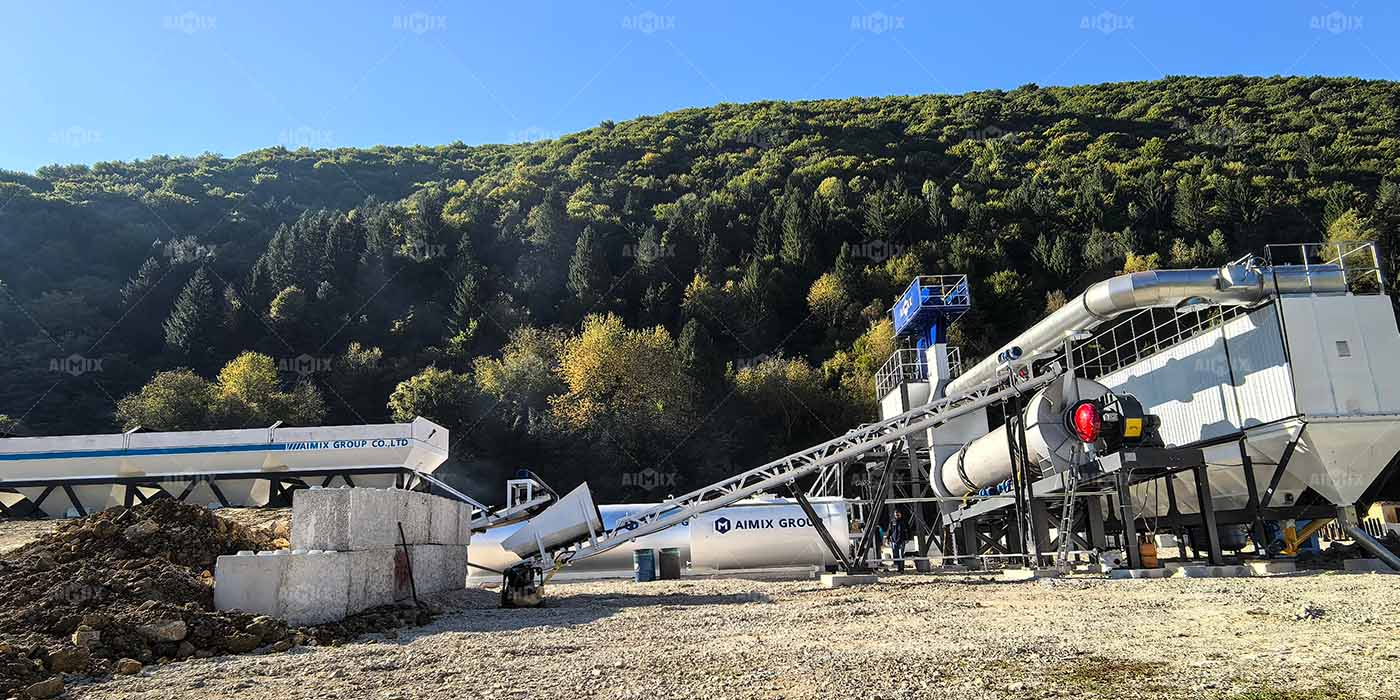
3. Fuel Consumption And Energy Efficiency
Fuel cost is one of the largest operating expenses in asphalt production. The drying and heating process requires significant energy, especially when producing large quantities of asphalt every day.
Several factors influence fuel consumption, including burner efficiency, dryer structure, aggregate moisture content, insulation performance, and operation management.
For projects in tropical regions or areas with frequent rainfall, aggregate moisture can significantly affect energy consumption. Wet aggregates require more heating time, which increases fuel usage and production costs.
Therefore, choosing an energy-efficient asphalt plant can create continuous savings. Over thousands of tons of asphalt production, even a small reduction in fuel consumption can significantly improve profitability.
4. Raw Material Availability And Transportation Expenses
The location of raw materials and construction sites also plays an important role in asphalt plant ROI. Asphalt production depends on aggregates, mineral filler, and asphalt binder. Transportation distance directly affects the final cost per ton.
If aggregates must be transported from a distant quarry, logistics expenses may reduce profit margins. Similarly, if an asphalt plant is installed far from project locations, delivery costs and time may increase.
For this reason, contractors should analyze local conditions before installation. In regions with complex geography, such as islands or remote construction areas, plant location planning becomes even more important.
A strategically located asphalt plant can reduce transportation costs, improve delivery efficiency, and provide stronger market competitiveness.
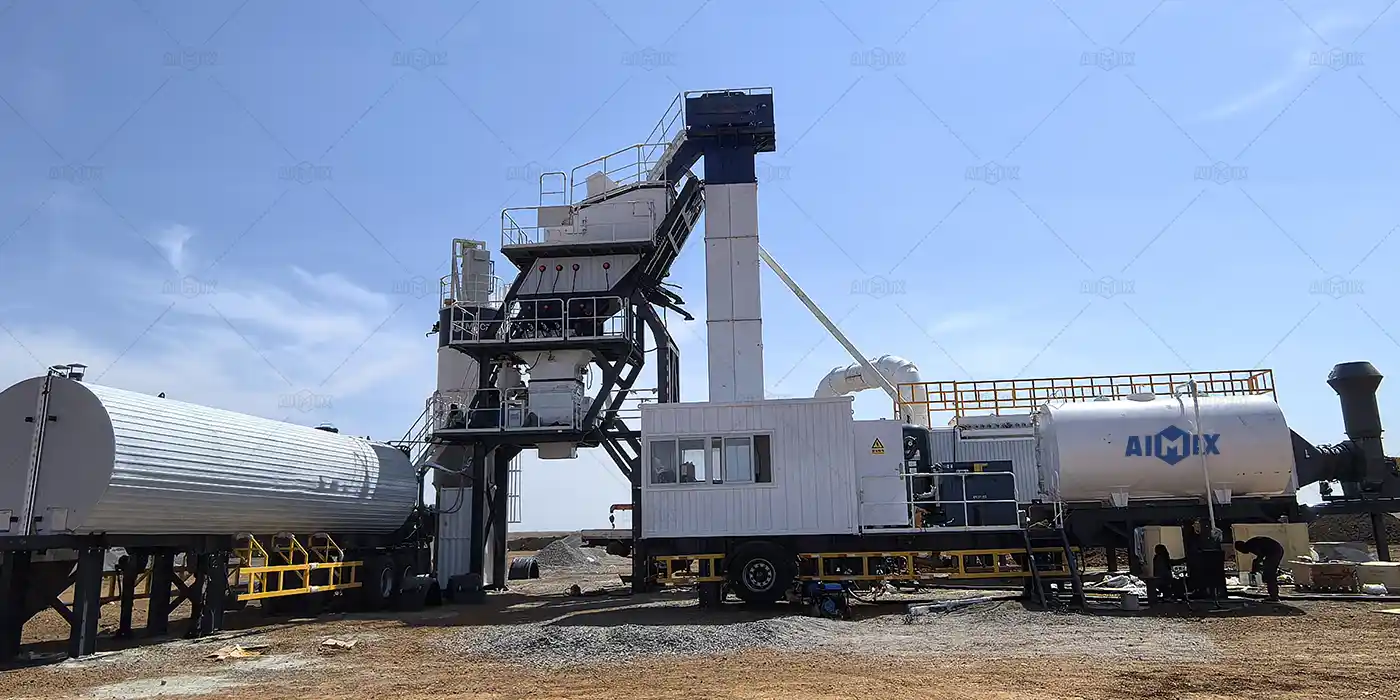
5. Maintenance Requirements And Spare Parts Support
Maintenance costs have a direct impact on long-term asphalt plant profitability. Equipment downtime can delay projects, increase labor expenses, and reduce customer satisfaction.
Reliable components, professional manufacturing, and proper maintenance schedules help extend equipment service life. At the same time, fast access to spare parts is critical for continuous production.
Before purchasing, contractors should evaluate:
- Availability of wearing parts such as mixing blades and liners.
- Technical support from the manufacturer.
- Installation and operator training services.
- Response speed for troubleshooting.
A professional asphalt plant supplier can provide engineering support and after-sales services that reduce unexpected operating risks.
Therefore, supplier capability is not only a service factor. It is also an important part of investment protection.
6. Asphalt Quality And Market Competitiveness
A profitable asphalt business depends on both production volume and product quality. High-quality asphalt helps contractors complete projects successfully and build stronger customer relationships.
Stable mixing performance ensures proper aggregate gradation, accurate asphalt content, and consistent temperature control. These factors directly affect pavement durability.
For government infrastructure projects, highways, and airport construction, asphalt quality requirements are usually strict. Contractors with reliable asphalt production capability often have stronger advantages when competing for larger projects.
As a result, investing in quality asphalt equipment can create long-term business value beyond immediate production.
7. Labor Cost And Automation Level
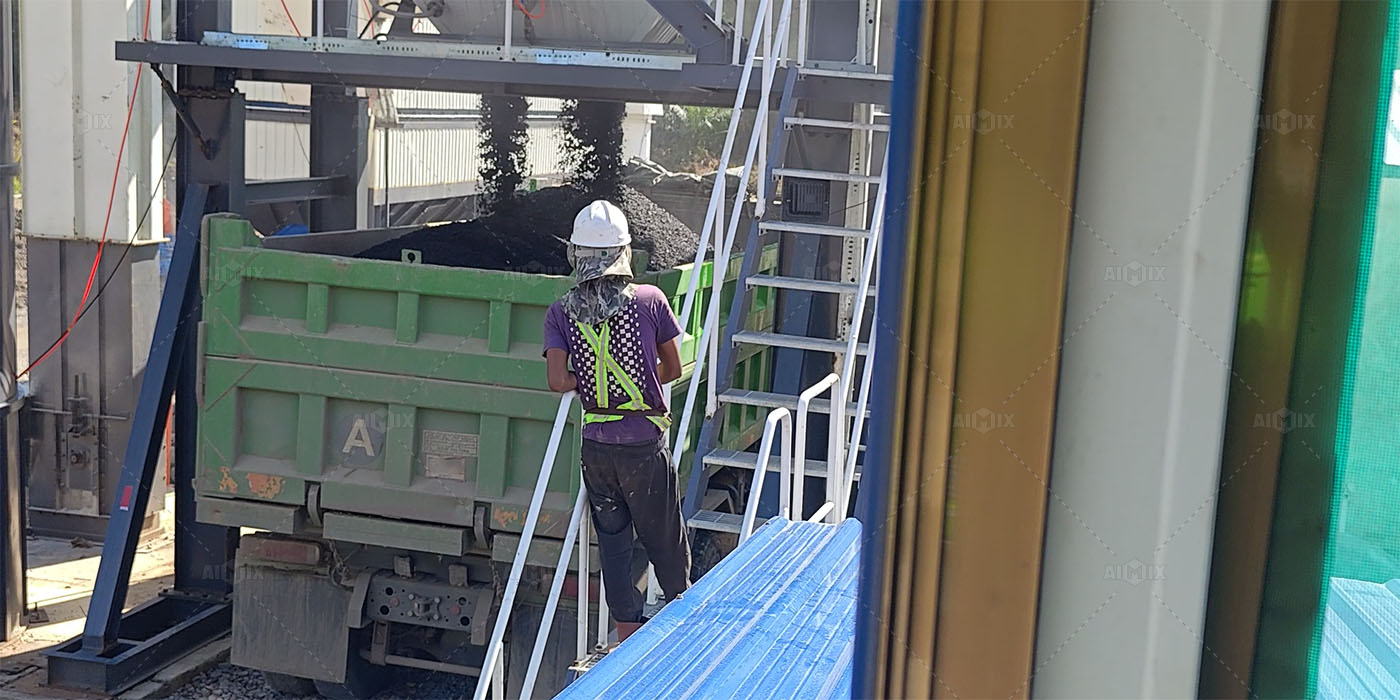
Labor requirements also influence asphalt plant ROI. Traditional production methods may require more operators and manual adjustments. Modern asphalt plants use advanced control systems to improve efficiency and reduce human errors.
Automation allows operators to monitor production data, adjust parameters, and maintain stable asphalt quality. This can help companies achieve higher output with better resource management.
However, automation level should match the business scale. Small contractors may choose practical configurations, while large asphalt suppliers may benefit from higher automation and centralized management.
The best solution is to select technology that improves efficiency without creating unnecessary investment pressure.
8. Plant Utilization Rate And Project Opportunities
The utilization rate of an asphalt plant is one of the most important ROI factors. A plant that operates frequently can recover investment faster than equipment that remains idle.
Before purchasing, contractors should estimate future demand, including:
- Annual asphalt production volume.
- Number of planned construction projects.
- Average working hours per day.
- Seasonal market changes.
For example, a company supplying asphalt for multiple road projects may achieve a faster return than a contractor using the plant only occasionally.
Therefore, market research and project planning should be completed before making a major equipment investment.
9. Asphalt Plant Prices And Long-Term Value Analysis
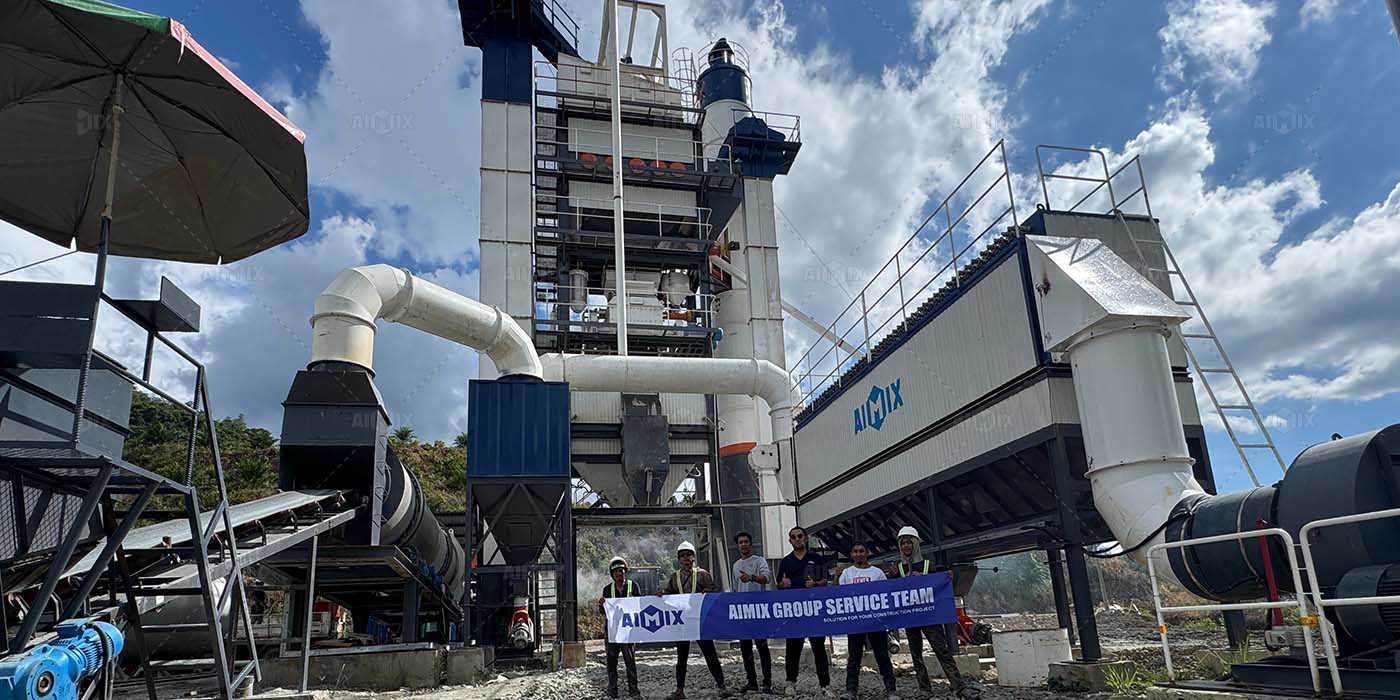
Different asphalt plants have different configurations, production capacities, and automation levels. Therefore, asphalt plant prices can vary significantly depending on customer requirements.
When comparing investment options, customers should not only compare quotation numbers. They should also evaluate production efficiency, energy consumption, service support, and expected operating life.
For example, a slightly higher investment in a reliable plant may provide better returns through lower maintenance costs and higher production stability.
Understanding the relationship between equipment performance and operating costs helps contractors select a more profitable solution.
10. Choosing The Right Asphalt Plant Equipment
The final ROI of an asphalt plant depends on whether the complete equipment solution matches the customer’s business goals. Different projects require different configurations.
For example, mobile asphalt plants may be suitable for contractors who frequently move between projects. Stationary asphalt plants may be better for companies with long-term production bases and stable market demand.
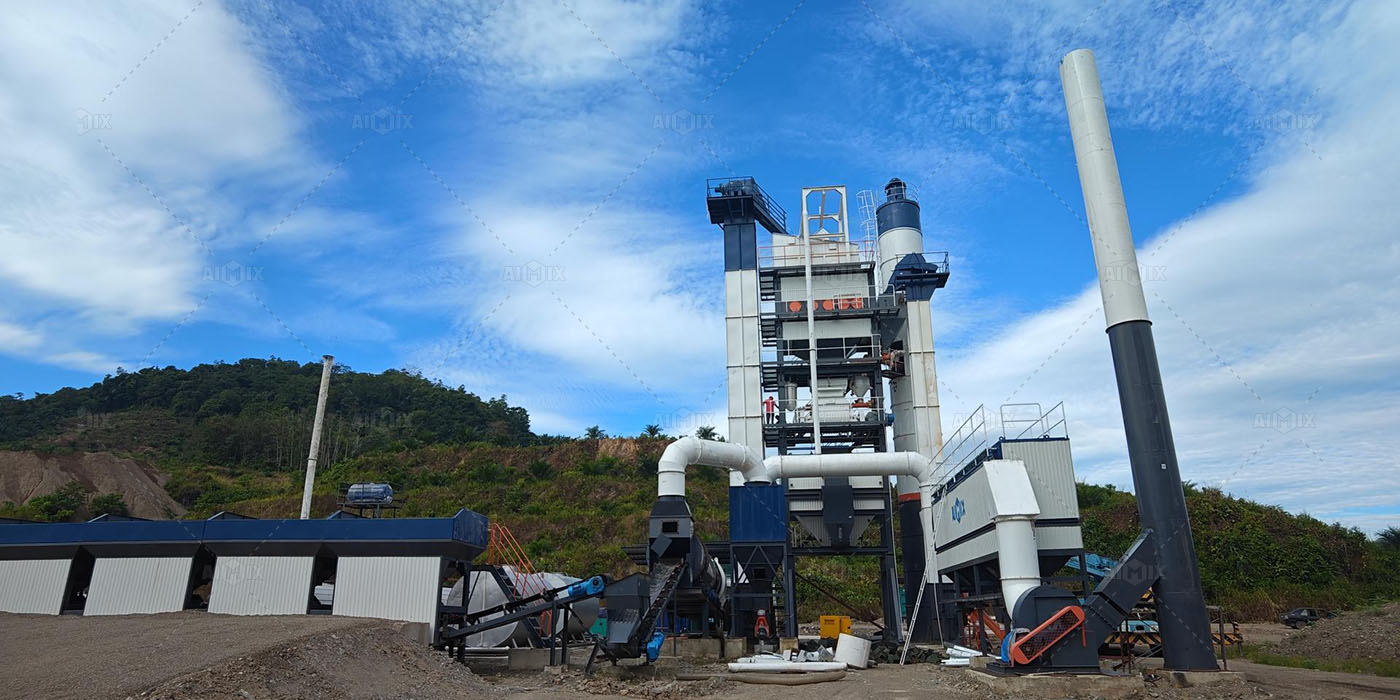
Customers should carefully evaluate asphalt plant equipment according to project scale, transportation conditions, production requirements, and future development plans.
A professional evaluation before purchase can prevent unnecessary costs and help maximize investment returns.
Key Factors To Consider Before Investing In An Asphalt Plant
Before making a final decision, contractors should review several factors together. A successful investment depends on the balance between equipment performance, operating costs, and market opportunities.
| Factor | Impact On ROI |
|---|---|
| Production Capacity | Determines whether the plant matches project demand. |
| Fuel Efficiency | Controls long-term production expenses. |
| Maintenance Support | Reduces downtime and unexpected costs. |
| Asphalt Quality | Improves competitiveness and project success. |
| Supplier Service | Ensures stable operation throughout equipment life. |
Conclusion: Choose A Smart Asphalt Investment For Better Returns
Asphalt plant ROI is influenced by many connected factors. The right capacity, efficient operation, reasonable investment planning, reliable maintenance, and strong market demand all determine how quickly a company can recover its investment.
A successful asphalt plant purchase is not simply about buying equipment. It is about selecting a complete production solution that supports your construction business growth.
If you are planning a new road project or expanding asphalt production capacity, contact our professional team for a customized asphalt plant solution. We can help you analyze your project requirements and choose equipment that delivers better long-term value.