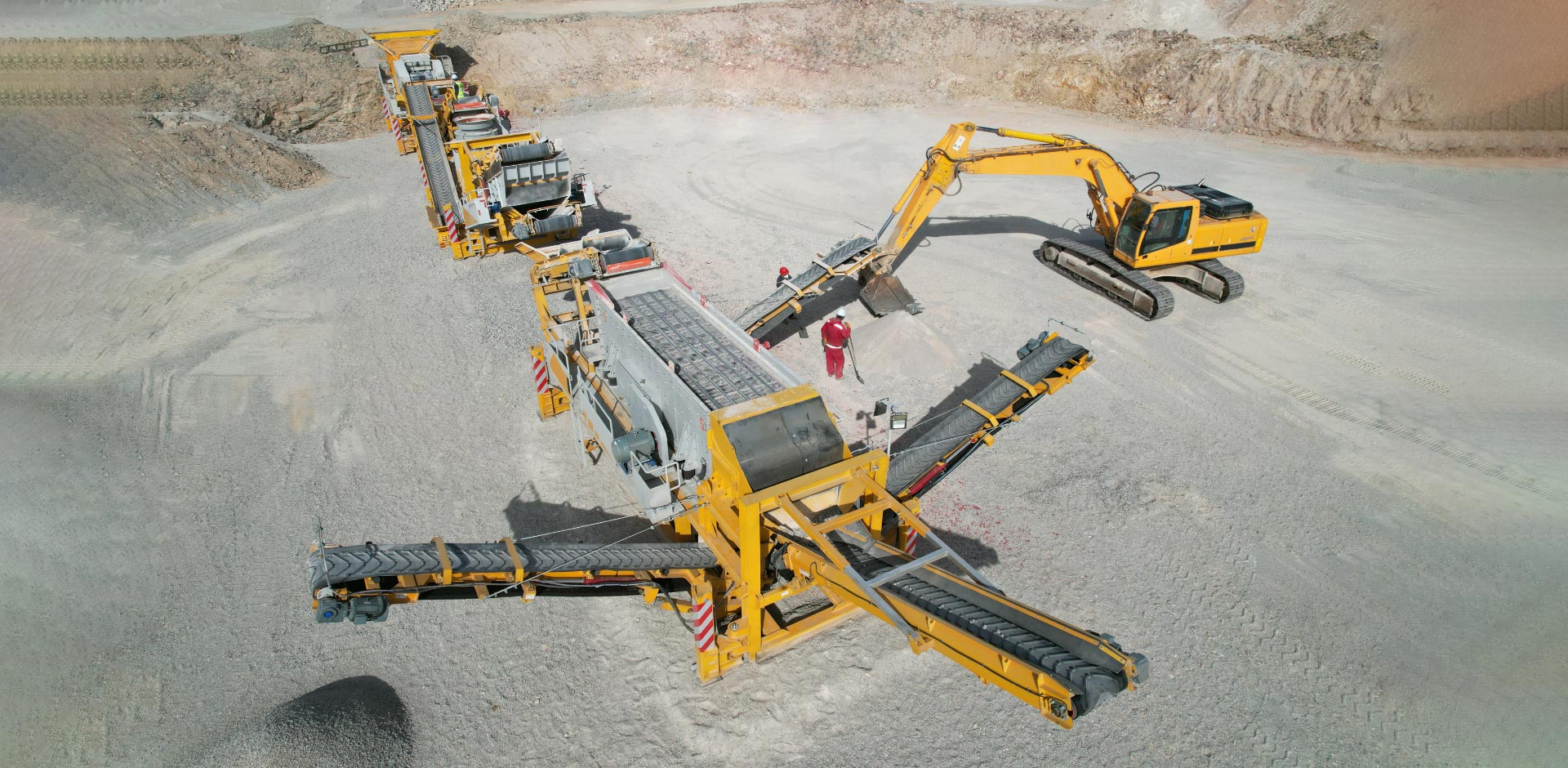
The calculus of capital equipment procurement often hinges on a deceptively simple triad: throughput, longevity, and upfront expenditure. For a 200 tons per hour (tph) , the stone crusher plant price tag is rarely a monolithic figure. It is a constellation of interdependent components, each carrying its own economic weight and operational idiosyncrasies. A naive buyer sees a single number; a seasoned operator dissects the vibrating feeder’s amortization, the jaw crusher’s mantle life, and the screen deck’s vibration mechanism. This analysis eschews platitudes, presenting a granular dissection of what constitutes the final invoice. We will traverse the mechanical hierarchy from feed to stockpile, scrutinizing the cost drivers that separate a profitable venture from a financial sinkhole.
1. The Primary Articulation: Jaw Crusher and Vibrating Feeder Economics
At the genesis of any comminution circuit lies the jaw crusher, a brute-force apparatus designed to reduce run-of-quarry rock to a manageable gradation. For a 200 tph setup, you are typically looking at a 30″x42″ or equivalent unit. The price variance here is steep, oscillating between $45,000 for a frugal Chinese knock-off to upwards of $120,000 for a European or Japanese engineered behemoth. The differential is not mere branding; it is metallurgy. Manganese content in the jaw dies, the eccentric shaft’s alloy composition, and the bearing’s thermal rating dictate longevity. Concurrently, the vibrating feeder—often a grizzly style—acts as the gatekeeper. Its role is to meter feed while scalping fines below the crusher’s closed side setting (CSS). A robust feeder, priced between $15,000 and $30,000, mitigates liner wear by 15-20%. Skimping here invites catastrophic plugging. A clever operator opts for a variable frequency drive (VFD) on the feeder, adding $4,000 to the base but offering granular control over feed rate, preventing the crusher’s dreaded “choke feed” condition.
1.1. The Hidden Surcharge of Motor Power and Control Cabinetry
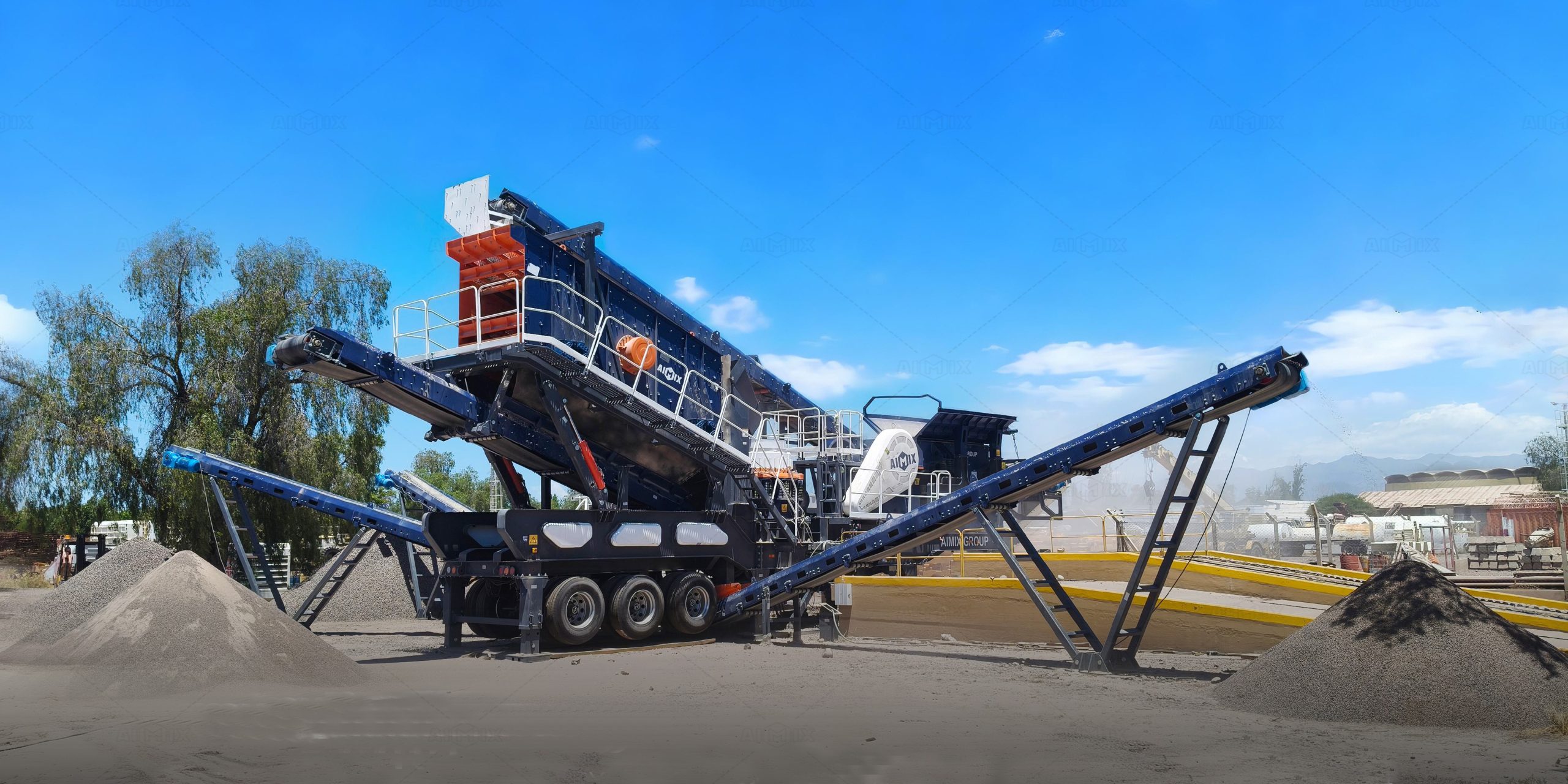
Beneath the steel and paint lurks the electrical nervous system. A 200 tph stone crusher quires a motor aggregate nearing 250-300 horsepower. Soft starters or VFDs for each major drive inflate costs by $8,000-$12,000. The control panel, if laden with PLC logic and remote telemetry, adds another $7,000. Most quotations omit this “grey area,” leading to budget blowouts. You will find that a $180,000 plant quote can suddenly demand an additional $25,000 for electrical infrastructure. Do not acquiesce. Demand an itemized power train specification. Furthermore, the cabling and raceways—often dismissed as sundries—represent a non-trivial 3% of total plant cost. A 200 tph operation requires armored cables spanning 200 meters; copper prices alone make this a volatile line item. Purchase the control package as an integrated unit; disparate sourcing invites interface malfeasance and finger-pointing during commissioning.
1.1.1. Hydraulic vs. Mechanical Wedge Adjustment Systems
The method of CSS adjustment on the jaw crusher introduces another cost bifurcation. Mechanical wedge systems, costing roughly $2,000 less upfront, demand manual shimming and two hours of downtime for a 10mm gap change. Hydraulic adjustment, a $6,000 premium, offers push-button repositioning and automatic tramp iron relief. For aggregate producers processing heterogeneous feed, the hydraulic variant pays for itself within three unplanned stoppages. Do not let a dealer sell you on “user-friendly” mechanical wedges; they are an ergonomic nightmare. The hydraulic circuit, however, introduces a single point of failure—the relief valve. Ensure the spec sheet lists a redundant pressure bypass. Without it, a single slug of steel rebar turns your $100,000 crusher into a pretzel.
2. The Screening Dilemma: Multi-Deck Efficacy and Material Conveyance
Once the jaw crusher exorcises the rock down to sub-150mm fragments, the vibratory screen assumes command. For a 200 tph crusher plant, a 6′ x 16′ triple-deck horizontal screen is the industry baseline. Pricing here is deceptive: a “value” screen retails for $22,000, while a heavy-duty Derrick or Metso equivalent exceeds $55,000. The delta lies in the screening media support structure. Cheap screens use mild steel crossbeams that fatigue after 8,000 hours of vibration. Premium units employ high-tensile bolted construction and encapsulated vibrator shafts. Furthermore, the screen’s throw (measured in mm of orbital excursion) must match the material’s bulk density. Limestone requires a 9-10mm throw; granite demands 11-12mm. An underspec’d screen blinds rapidly, reducing effective throughput to 120 tph. You are not buying wire mesh; you are buying harmonic longevity.
2.1. Conveyor Belting: The Silent Margin Eroder
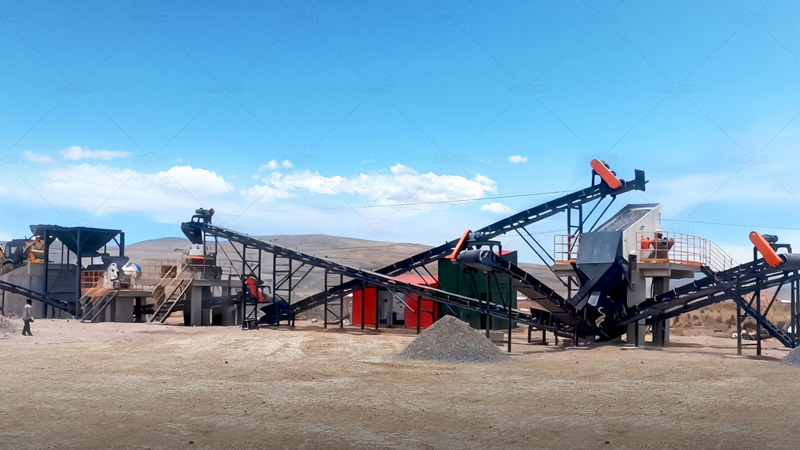
Between the crusher, screen, and stockpile, a fleet of belt conveyors transports the fractured aggregate. A 200 tph plant typically utilizes four to six conveyors, totaling 150-200 linear meters. The price per meter for 800mm belting ranges from $80 (Chinese 2-ply) to $250 (Continental 4-ply with chevron cleats). However, the true cost is the idler rolls and pulleys. A single impact idler at the crusher discharge point, if fabricated from steel rather than rubber-disc, will degrade within three months, shredding the belt. Expect to allocate $18,000-$25,000 for a conveyor system that survives a full season. The head pulley’s lagging—ceramic versus diamond rubber—affects grip under wet conditions. Ceramic lagging adds a $4,000 premium but reduces slippage-induced fire hazards. Do not economize on belt scrapers; a primary and secondary tungsten-tipped scraper system ($2,200) prevents carryback that buries the tail pulley, a leading cause of structural failure.
3. Ancillary Systems and Erection: The 40% Rule
A bare machine is an inert sculpture; a functional rock crushing plant requires integration. Structural steel support towers, walkways, and handrails constitute a surprising 15% of total landed cost. For a 200 tph configuration, expect to spend $25,000-$40,000 on structural steel alone, assuming a ground-mounted design. If topography demands elevated discharge bins, multiply that figure by 1.8. Additionally, dust suppression systems—either dry fog or wet scrubber—are no longer optional in regulated jurisdictions. A modest dry fog system with 12 nozzles and an air compressor retails for $9,000. Omitting it invites regulatory fines that eclipse the equipment’s cost within one quarter. Finally, the erection and commissioning line item: do not self-perform unless you possess a rigging crew. Professional installation for a 200 tph plant runs $15,000-$25,000 and typically spans 10-14 days. Any quote that excludes this line item is an invitation to financial hemorrhage.
3.1. The Freight and Foundation Nexus
The final, non-negotiable variable is geotechnical. A 200 tph plant exerts a point load of approximately 4-6 tons per square meter on foundations. Concrete pads, reinforced with rebar and isolated with vibration damping pads, cost $8,000-$12,000 locally. Freight, however, is the wildcard. Transporting a 45-ton jaw crusher 500 kilometers demands a low-boy trailer and escort vehicles, incurring $4,000-$7,000. Shipping an entire plant in three containers from a port city adds $12,000 plus customs demurrage. Savvy procurers bundle freight into the equipment sales agreement, shifting liability for damage en route. Furthermore, request a “knock-down” design where conveyors bolt rather than weld; this reduces shipping volume by 30%. Always verify the crusher’s flywheel diameter against the transporting vehicle’s height clearance. A forgotten flywheel overhang has delayed more projects than any mechanical failure.