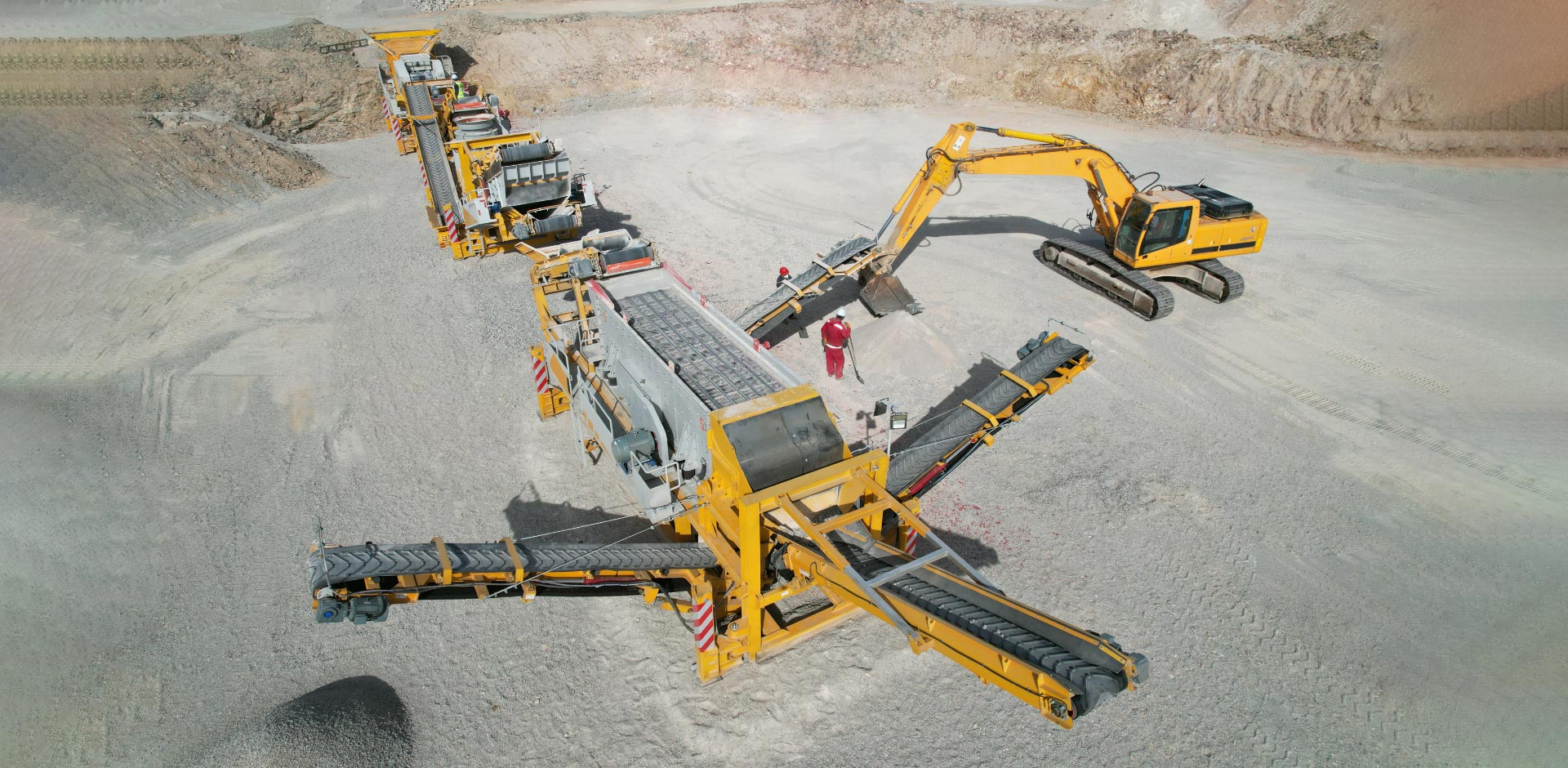
Construction and demolition waste recycling has become an essential part of modern construction projects. As cities continue to replace aging buildings and upgrade infrastructure, large quantities of demolished concrete and clay bricks are generated every day. Instead of sending these materials to landfills, contractors increasingly rely on track mobile impact crushers to recycle them into valuable aggregates that can be reused for road bases, backfilling, and non-structural concrete applications.
A common question arises during onsite recycling: should brick waste and concrete waste be processed together or separately? At first glance, combining them appears to improve efficiency by reducing material handling and equipment movement. However, differences in material properties, final product requirements, and crusher performance mean that the answer depends on the recycling objective. Understanding when mixed crushing is appropriate—and when separate processing delivers better results—helps contractors maximize both equipment productivity and recycled aggregate quality.
Understanding the Differences Between Brick and Concrete Waste
Different Material Properties Lead to Different Crushing Results
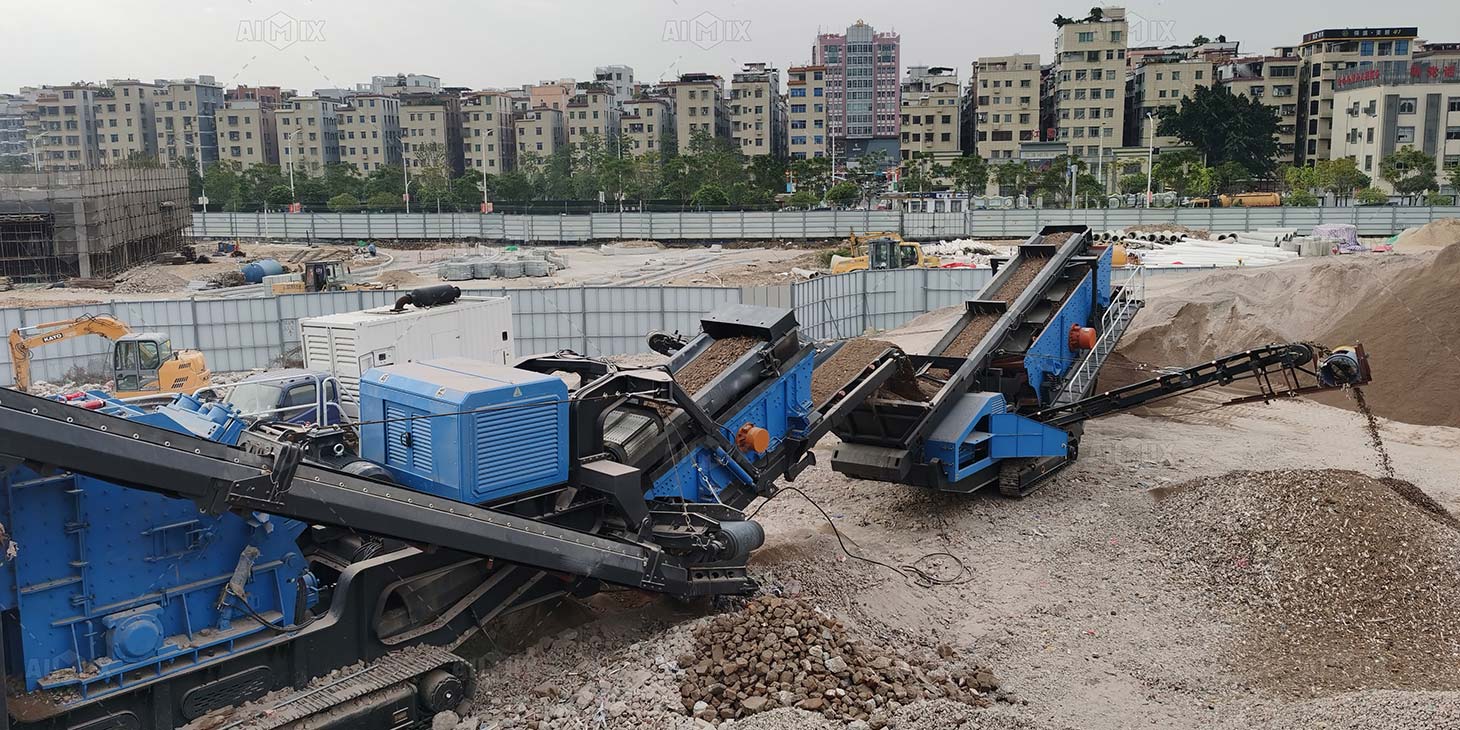
Although both materials originate from demolition sites, brick and concrete behave quite differently during the crushing process. Concrete consists of natural aggregates bonded by hardened cement paste, making it relatively dense and durable. Fired clay bricks, on the other hand, are generally lighter, more porous, and more brittle.
When both materials enter a track crusher together, the bricks usually fracture much more rapidly than the concrete. This can generate a higher proportion of fine particles while the concrete remains closer to the target aggregate size. As a result, the final gradation may become less consistent than expected.
Material density also influences separation after crushing. Recycled concrete aggregate typically exhibits greater strength, while crushed brick aggregate often has higher water absorption due to its porous structure.
End-Use Requirements Determine Material Selection
The intended application of recycled aggregates should guide crushing decisions. If the recycled material will be used for road sub-base, temporary construction roads, embankment filling, or general backfill, combining brick and concrete may be entirely acceptable.
However, if the aggregates are intended for higher-value applications requiring more uniform physical properties, separate processing usually produces better results. Maintaining consistent particle strength, density, and absorption characteristics becomes increasingly important when recycled materials must satisfy engineering specifications.
Therefore, the decision is often driven by product quality requirements rather than by crusher capability alone.
When Crushing Brick and Concrete Together Makes Sense
Mixed Demolition Waste with Limited Sorting Capacity
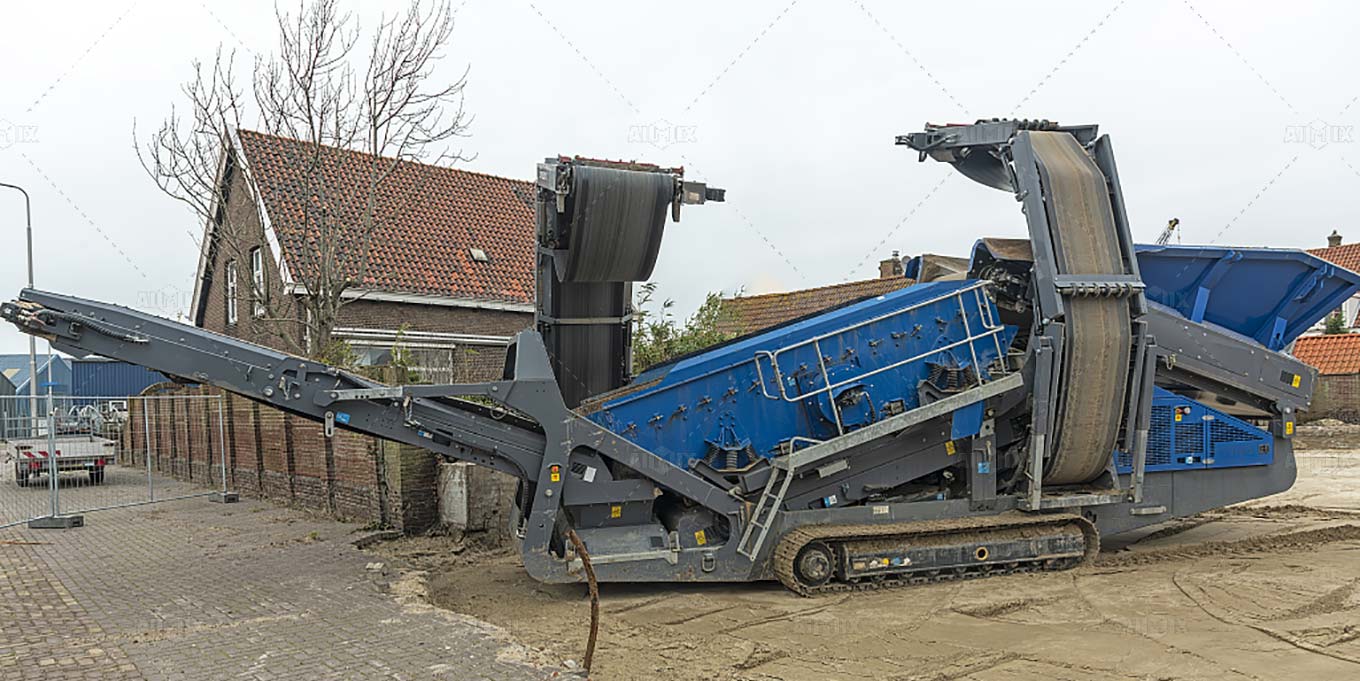
Many demolition projects generate mixed construction waste where separating every brick from every concrete fragment is neither practical nor economical. In these situations, a track mobile impact crusher offers considerable operational flexibility by processing mixed feed materials directly onsite.
The mobility of crawler-mounted equipment allows contractors to move close to demolition zones, reducing internal transportation and repeated material handling. By processing mixed waste immediately, project teams can reduce stockpile size and accelerate site clearance.
For projects where recycled aggregates will mainly serve as filling materials or road foundations, this simplified workflow often provides the most cost-effective solution.
Lower Processing Costs Through Simplified Operations
Sorting materials requires additional labor, equipment, and working space. Every extra processing step increases operational expenses and extends project schedules.
When final aggregate specifications permit mixed recycled materials, crushing concrete and brick together eliminates unnecessary separation activities. Contractors can reduce loading cycles, simplify material logistics, and improve daily production efficiency.
This approach is particularly beneficial for urban demolition projects where limited space makes multiple stockpiles difficult to manage.
When Separate Crushing Produces Better Results
Producing Higher-Quality Recycled Concrete Aggregate
Projects requiring higher-quality recycled concrete aggregate generally benefit from processing concrete separately. Removing brick content helps produce aggregates with more consistent strength, density, and durability.
This becomes especially valuable when recycled aggregates are supplied to commercial customers who expect stable material characteristics. Uniform products are easier to classify, market, and price, creating additional business opportunities for recycling contractors.
Separate crushing also allows operators to optimize crusher settings specifically for concrete, improving both productivity and finished product quality.
Improving Product Classification and Inventory Management
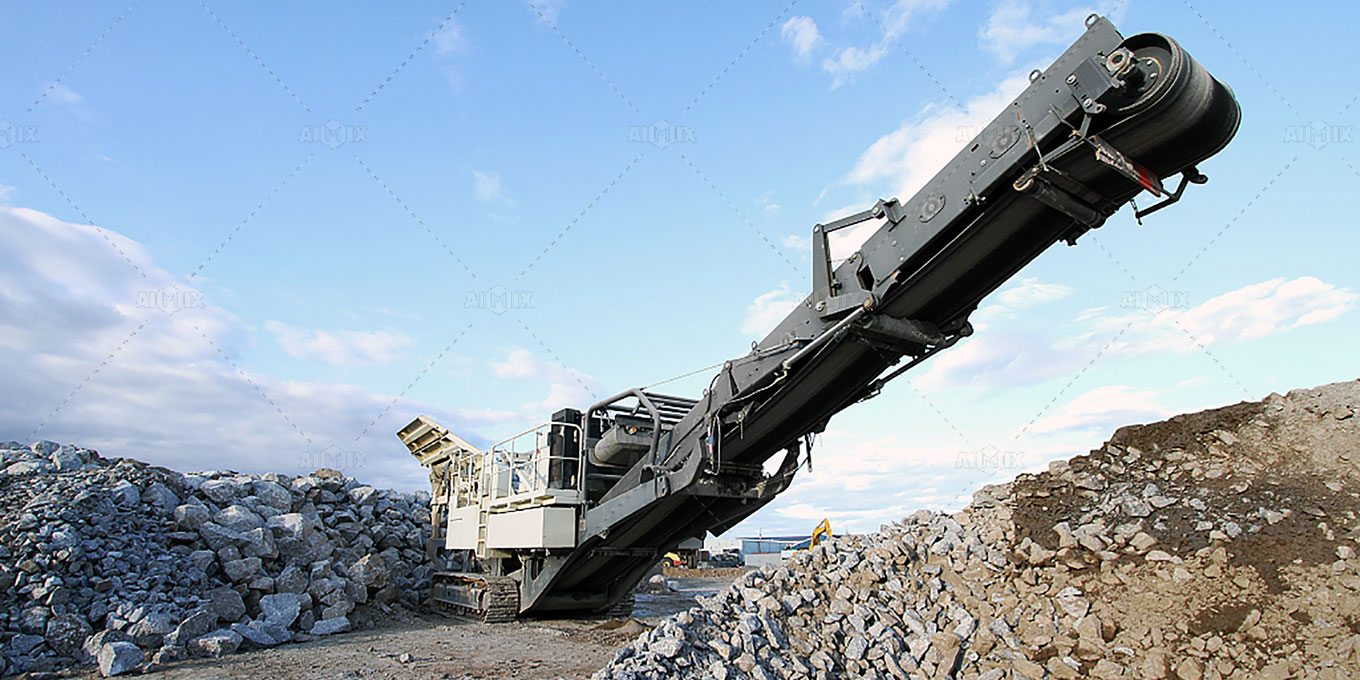
Separate processing creates clearer product categories. Contractors can stock recycled concrete aggregate and crushed brick aggregate independently, allowing customers to select materials that best match their project requirements.
For example, recycled concrete aggregate may be preferred for road base construction, while crushed brick material may perform well in landscaping, lightweight fill, or drainage applications.
Maintaining distinct inventories increases market flexibility and enables recycling businesses to serve a broader customer base.
How Track Mobile Impact Crushers Improve Construction Waste Recycling
Excellent Adaptability to Changing Jobsite Conditions
Unlike stationary crushing plants, track mobile impact crushers can relocate quickly as construction waste recycling progresses. This mobility reduces internal hauling distances and keeps material processing close to the source of waste generation.
The integrated design combines feeding, crushing, and conveying systems into one mobile platform, making deployment efficient across projects with varying layouts and production requirements.
Whether processing mixed waste or separated materials, mobility helps contractors maintain continuous recycling operations while reducing unnecessary equipment relocation costs.
Flexible Crusher Adjustments for Different Materials
Modern track mobile impact crushers allow operators to adjust rotor speed, impact settings, and discharge openings according to feed characteristics and target product sizes.
These adjustments make it easier to handle changing material compositions encountered during demolition. Operators can fine-tune production parameters to improve particle shape, reduce excessive fines, and optimize aggregate grading throughout the project.
Integrated Screening and Metal Separation
Many track mobile impact crushers can be equipped with onboard screening systems and magnetic separators. These features remove reinforcing steel and classify finished aggregates during production, reducing the need for additional downstream processing equipment.
The result is a cleaner recycled product, improved operational efficiency, and lower labor requirements throughout the recycling process.
Choosing the Right Crushing Strategy for Your Recycling Project
Evaluate Material Composition Before Crushing
Every demolition project generates different waste streams. Before selecting a crushing strategy, contractors should evaluate the proportion of concrete, brick, asphalt, steel, wood, and other contaminants present in the feed material.
Understanding material composition allows operators to determine whether mixed crushing will satisfy final product requirements or whether separate processing offers greater long-term value.
Balance Productivity with Aggregate Quality
There is no universal answer to whether brick and concrete should always be crushed together. Projects focused on rapid waste reduction and lower operating costs may benefit from mixed crushing. Projects targeting premium recycled aggregate markets often achieve better results through material separation.
A track mobile impact crusher provides the versatility to support both approaches. By combining high mobility, adjustable crushing performance, and efficient onsite recycling, it enables contractors to optimize productivity while producing recycled aggregates that match specific construction requirements.