In the construction industry, the journey of concrete from the batching plant to the pour site is often a saga of logistical friction. Traffic congestion, scheduling conflicts, and the relentless ticking clock of concrete’s setting time conspire to create a chasm between production and productivity. For decades, this has been an accepted, if lamentable, cost of doing business. However, the advent of the instant small portable concrete batch plant for sale is fundamentally rewriting this narrative. These compact, mobile powerhouses are engineering a paradigm shift, transforming what was once a complex logistical hurdle into a streamlined conduit for immediate and sustained productivity. This article explores the profound operational advantages these plants confer, demonstrating how they eliminate the supply chain’s weakest links and empower project managers to command the construction schedule with unprecedented authority.
Eradicating the Tyranny of Transportation
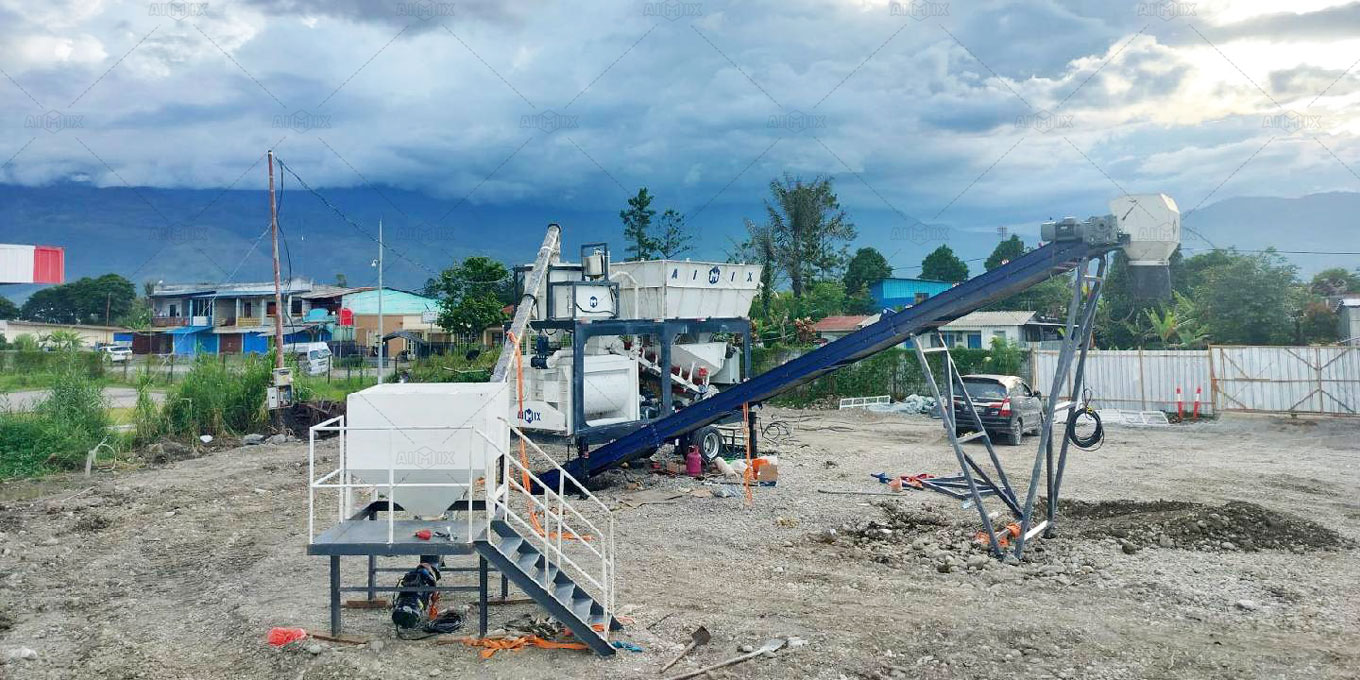
The single greatest variable in concrete logistics is the journey from plant to pour. The road is an unpredictable adversary, subject to delays that can render a load of concrete unusable. A portable plant, positioned at the very nexus of activity, simply erases this variable from the equation.
On-Site Production and the Elimination of Transit Delays
When a concrete plant is on-site, the concept of a ‘delivery delay’ becomes an anachronism. The material is produced exactly when needed, without the dependency on a fleet of trucks navigating public thoroughfares. This immediate availability is transformative. It eradicates the premium paid for ‘short-load’ deliveries and eliminates the financial penalty of trucks stuck in traffic. More importantly, it decouples the pour schedule from the capriciousness of external traffic conditions. Rain, roadworks, or a simple accident on the highway no longer have the power to derail a critical pour. This autonomy over the supply chain ensures that the workforce remains productive, the concrete remains workable, and the project timeline remains inviolate.
Preserving Concrete Integrity and Quality Control
The journey from a central mixing plant to a job site is a period of degradation for the concrete. The agitation process can break down the mix, and the setting process begins the moment water is added. With a portable plant on-site, this degradation is virtually eliminated. The concrete is produced and placed in its optimal state, with precise control over the water-to-cement ratio and the addition of admixtures. This ensures the structural integrity of the pour is maximized. The project manager is no longer a passive recipient of a product that may have been compromised in transit; they are the active custodian of its quality, capable of making real-time adjustments to the mix design to suit the specific environmental conditions of the pour.
Operational Autonomy and Just-In-Time Efficiency
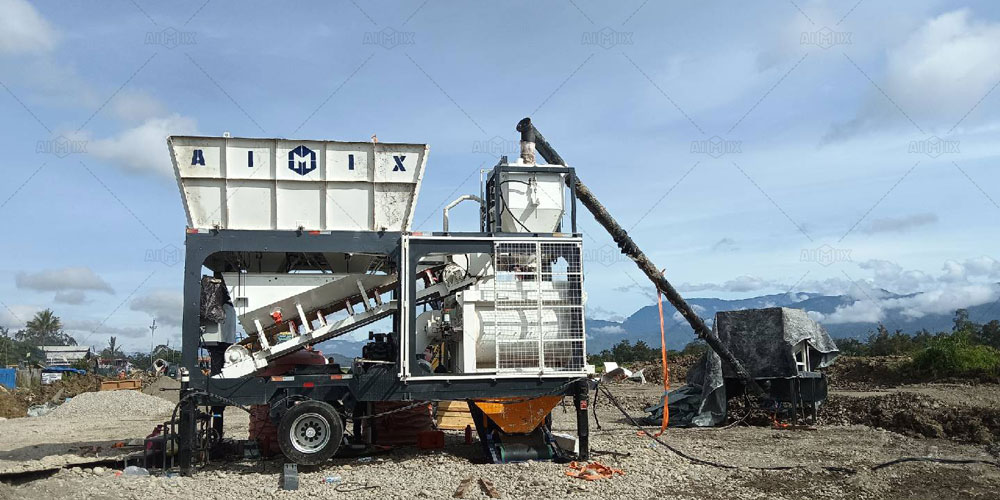
The true power of the portable plant lies not just in its capacity to produce concrete, but in its ability to do so with surgical precision. It enables a ‘just-in-time’ production model that is the holy grail of lean construction management.
Flexibility to Respond to Dynamic Site Conditions
Construction sites are dynamic, ever-changing environments. The pace of a pour can be affected by weather, the arrival of reinforcing steel, or the completion of formwork. With a traditional outsourced model, these changes are a source of conflict, often resulting in cancelled or delayed orders. The on-site mobile concrete batch plant for sale, however, is a responsive tool. If the pour needs to accelerate, the plant can increase its output. If there is a brief hold-up, production can pause, conserving resources and preventing wastage. This ability to modulate production in real-time ensures that the concrete supply is perfectly synchronized with the pace of the project, eliminating the costly cycle of ‘hurry-up-and-wait’ that plagues conventional logistics.
Streamlined Workforce Utilization and Resource Allocation
When concrete is delivered by external trucks, the workforce must be prepared to receive it at a specific, often rigidly scheduled time. This can lead to labour inefficiencies, with crews standing idle waiting for a late truck, or rushing frantically to keep up with an unexpected early delivery. The on-site plant orchestrates a seamless rhythm. Labour is utilized optimally, with concrete flowing steadily to the workers who need it, when they need it. This not only boosts morale but also maximizes the productivity of every person on site. Furthermore, the elimination of the need for a large fleet of delivery trucks and the complex logistics of coordinating them frees up management resources, allowing them to focus on the quality of the build rather than the complexities of the supply chain.
Accelerated Timelines and Enhanced Profitability
Ultimately, the transition from logistical complexity to immediate productivity culminates in a tangible outcome: accelerated project completion. This velocity directly translates to enhanced profitability and a significant competitive advantage.
The Velocity Advantage and Early Project Completion
Time is the most expensive commodity in construction. By eliminating the delays inherent in concrete logistics, a small concrete batch plant for sale compresses the project timeline. Pours that would have taken days or weeks with external deliveries can be completed in a fraction of the time. This acceleration reduces the duration of the project, minimizing overhead costs like site management, security, and equipment rental. More importantly, it allows the project to be handed over to the client earlier, improving client satisfaction and enabling the contractor to move on to the next lucrative contract. This velocity is a powerful economic engine, driving profitability through sheer operational speed.
Reducing Waste and Material Costs
Waste in concrete is a direct drain on profitability. With an on-site portable plant, waste is minimized. The ability to produce exact quantities for each specific pour eliminates the costly surplus associated with ordering ready-mix. Furthermore, the plant allows for the efficient recycling of returned concrete, re-aggregating it for use in lower-grade applications or as fill. This commitment to material economy not only protects the project’s bottom line but also aligns with the growing imperative for sustainable construction practices. By eliminating the waste of both materials and time, the small portable concrete plant proves itself not just a piece of equipment, but a strategic partner in financial success.