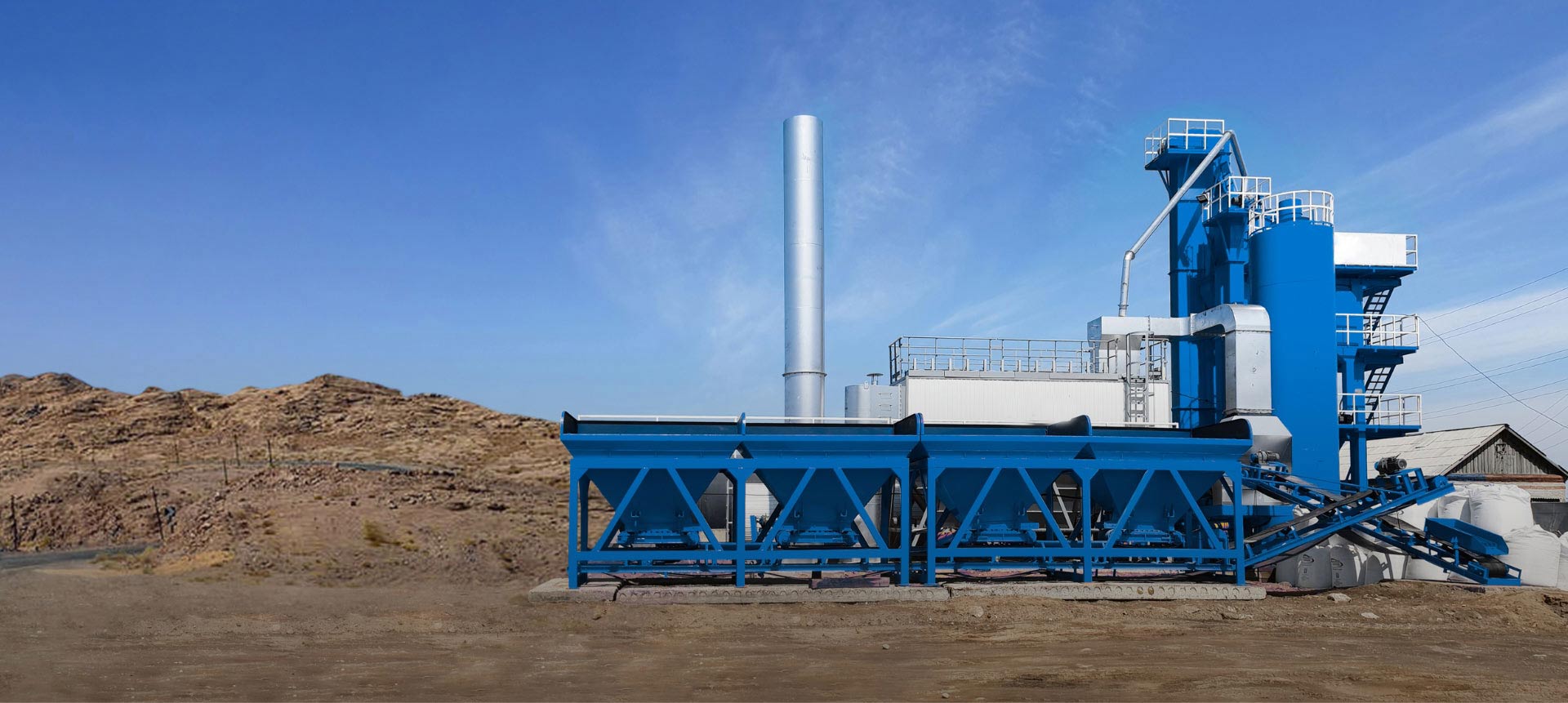
Latin America’s diverse topography, ranging from the dense Amazon basin to the high-altitude Andean peaks, presents unique logistical challenges for infrastructure maintenance. Severe weather events, heavy seasonal rains, and intense seismic activity frequently cause rapid road degradation, landslides, and washouts. In these critical scenarios, traditional stationary production facilities often fall short due to long transportation distances. This has triggered a massive shift toward utilizing a highly flexible mobile asphalt plant(planta asfáltica móvil) to bring production directly to the job site, transforming emergency response across the continent.
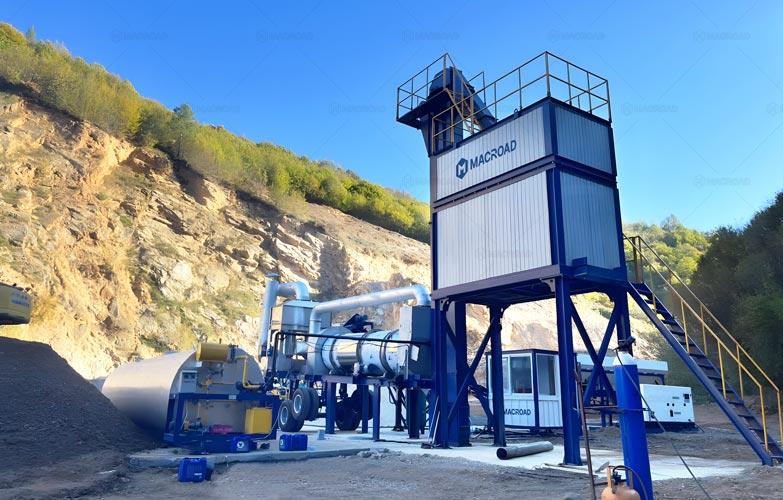
The Evolution of Infrastructure Maintenance in Latin America
Historically, road repair projects in remote areas of countries like Peru, Colombia, and Brazil suffered from extended timelines. Transporting hot mix asphalt over hundreds of kilometers across mountainous terrain meant the material would often cool below its compaction temperature before arrival. By integrating a reliable mobile asphalt plant into their fleets, regional contractors can drastically cut down on haul times and material waste. When infrastructure fails, deploying a mobile asphalt plant ensures that high-quality mix is available precisely where and when it is needed most.
Overcoming Geographical Barriers
The vast distances between urban manufacturing centers and rural regions mean that rapid response is impossible without localized equipment. Modern engineering companies are actively reviewing the market for an efficient asphalt plant for sale(venta de planta de asfalto eficiente) to bridge this geographic gap. When a company finds the right asphalt plant for sale, they gain the freedom to bid on remote highway contracts that were previously unprofitable due to logistics. Investing in a durable asphalt plant for sale has become a cornerstone strategy for Latin American firms aiming to dominate the regional road repair market.
Adapting to Extreme Weather Patterns
From the heavy monsoon seasons in Central America to the freezing night temperatures of the Altiplano, asphalt paving windows can be incredibly narrow. Having a versatile mobile asphalt plant allows engineering teams to capitalize on short clear-weather windows, mixing and laying material immediately when conditions permit. This localized agility prevents long project delays and ensures emergency teams can restore transit before the next storm hits.
Key Operational Advantages of Mobile Asphalt Units
The primary benefit of utilizing mobile machinery in emergency road maintenance is the sheer speed of deployment. Because these units are pre-wired and built on portable chassis, they require minimal foundation work and can be assembled without heavy cranes or prolonged site preparation.
Rapid Setup and High Portability
A standard mobile unit can be folded down, transported via standard highways, and reassembled in less than a day. This agility ensures that when a major artery is severed by a mudslide or flash flood, repair teams can establish a localized production hub almost instantly, keeping traffic disruption to an absolute minimum.
Continuous Production via Advanced Systems
For mid-to-large-scale emergency repairs, the drum mix asphalt plant has become a preferred technology across Latin American operations. A continuous drum mix asphalt plant combines the drying and mixing of aggregates into a single drum, allowing for steady production without the interruption of batch cycles. This consistent output is crucial when teams are working around the clock to reopen high-traffic commercial corridors. Furthermore, the simplicity of the drum mix asphalt plant design reduces the mechanical failures often associated with complex batch towers, making the drum mix asphalt plant incredibly reliable in rugged environments.
Emergency Deployment Workflow:
[Site Identification] ➔ [Mobile Plant Arrival] ➔ [Rapid Assembly (<24 hrs)] ➔ [Continuous Drum Mixing] ➔ [Immediate Road Laydown]
Scalability: From Highways to Municipal Streets
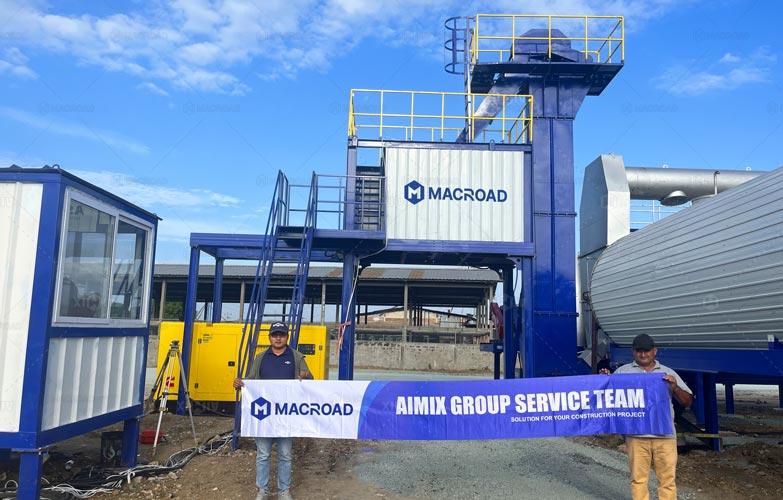
Not every road repair project requires hundreds of tons of asphalt per hour. Urban patch jobs, localized pothole repairs, and community road networks require a more surgical approach to equipment selection. Contractors look for a mix of machinery, frequently searching for a specialized mini asphalt plant(mini planta de asfalto) alongside larger systems to handle varying project scopes efficiently.
The Power of Compact Systems
In tightly packed urban environments or remote mountainous villages with restricted access roads, a mini asphalt plant offers the perfect footprint. These compact units provide an ideal balance of lower fuel consumption and easy maneuverability while maintaining precise mix controls. Municipal response teams can deploy a mini asphalt plant to handle localized failures without the overhead costs of operating a massive facility. For small-scale municipal contracts, a mini asphalt plant represents a highly profitable and agile asset that can move from street to street within a single working shift.
Evaluating Investment Options
Due to the surging demand for resilient infrastructure, construction companies throughout Mexico, Chile, and Argentina are actively seeking to expand their operational fleets. When browsing an asphalt plant for sale, procurement managers heavily weigh factors such as fuel adaptability—ensuring the plant can run on diesel, heavy oil, or natural gas depending on regional availability—and the robustness of the dust collection systems to meet evolving local environmental standards.
Socio-Economic Impacts of Rapid Response Infrastructure
The ability to repair roads rapidly has a direct, measurable impact on the economies of Latin American nations. Supply chains for agricultural goods, minerals, and consumer products rely heavily on a functioning highway system. Prolonged road closures can lead to millions of dollars in economic losses daily and isolate vulnerable populations from essential medical services. By deploying a mobile asphalt plant or utilizing a rapid-setup drum mix asphalt plant(planta de asfalto continua), regional authorities can guarantee better road uptime and preserve economic stability.
Future Outlook for Mobile Asphalt Technology in the Region
As climate change continues to drive volatile weather patterns and unpredictable natural disasters across the continent, the reliance on adaptive, highly mobile construction machinery will only grow. The future of road maintenance in Latin America lies in smarter, more automated, and highly portable systems that allow crews to respond to damage instantly, safeguarding both public safety and regional economic growth.